Registration is now open! Rates and information below.
Join participatory science practitioners from across the state for a day of recognizing opportunities, showcasing excellence, and envisioning new partnerships in support of high-impact participatory sciences—variously called citizen science, community science, crowdsourced science, volunteer monitoring, and other things—in Florida.
The meeting will be held at the John and Mable Ringling Museum of Art in Sarasota, Florida.
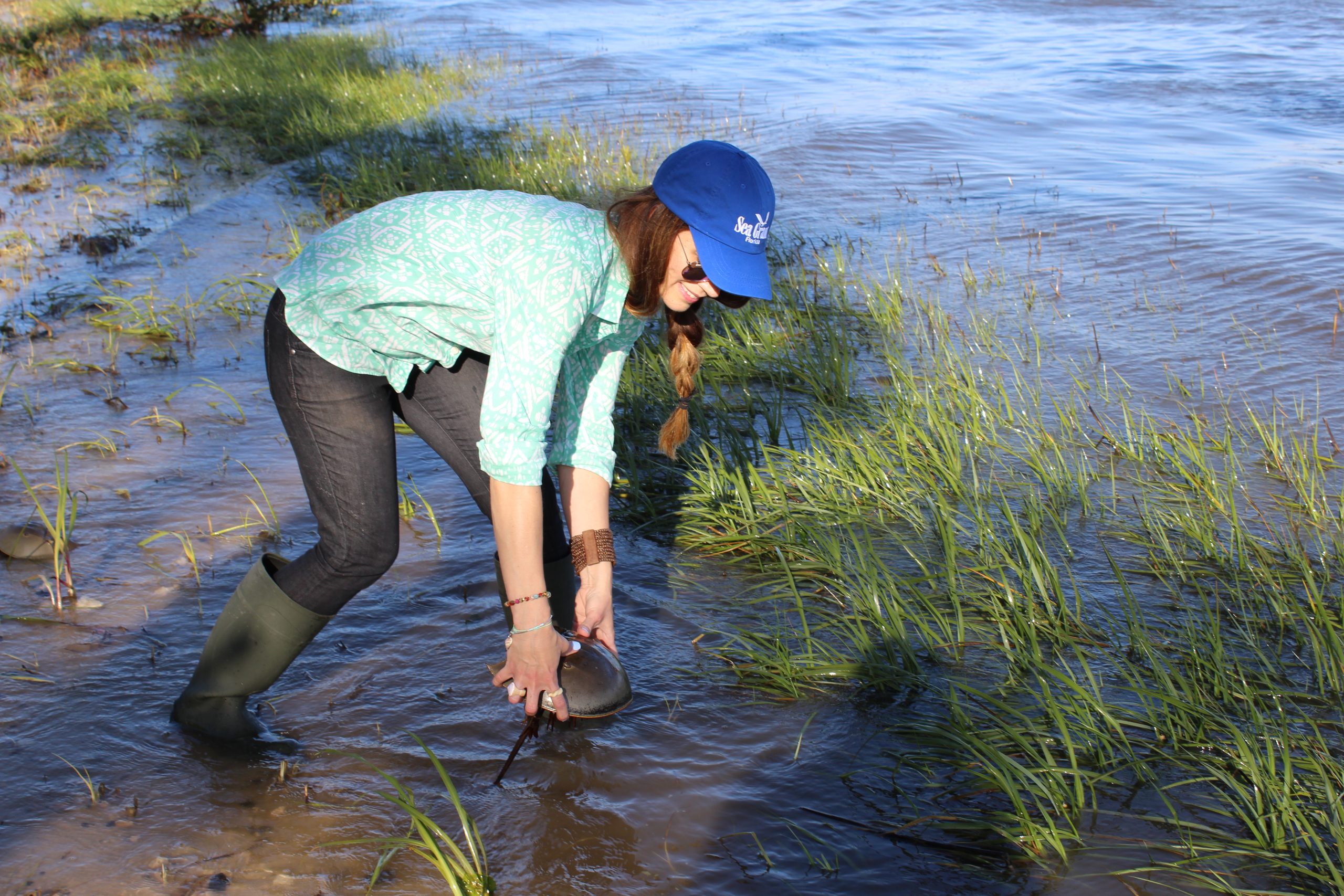
(left: Horseshoe Crab Citizen Science Project Cedar Key photo by Florida Sea Grant)
This meeting will be a blend of panel discussions, engaged lightning talk sessions, and visioning activities that aims to position everyone well for new and improved relevance to science, Florida communities, and other stakeholders. Click the images below to explore session details.
This event will feature up to 30 lightning talks that advance big ideas, invite feedback, or share stories that identify common interests for those working in this field in Florida.
To be considered, prepare a short, 150-word summary of what you'd like to share and submit it as part of your registration. Details of the summary are below.
Want to propose a lightning talk? Please generally follow the format suggested below when drafting your summary, which could also be used to structure the talk itself.
Registration includes morning refreshments and lunch. Admission to the museum is included with registration with time over lunch to explore the collections.
Please register by April 1, 2024 to ensure we have sufficient food. A small surcharge will be added for registrations received after April 1st.
AAPS Members receive registration discounts to this and other events* in addition to many other benefits of connecting across this community throughout the year. Full membership details here.
Reduced ticket rates are available to the following groups:
Community Ticket prices are available to the following groups:
This event will be held at the John and Mable Ringling Museum of Art, the official state art museum of Florida. Established as the legacy of John and Mable Ringling, its mission is to be a place of art, architecture, and circus that inspires, educates, and entertains.
The museum is located at 5401 Bay Shore Road, Sarasota FL 34243.
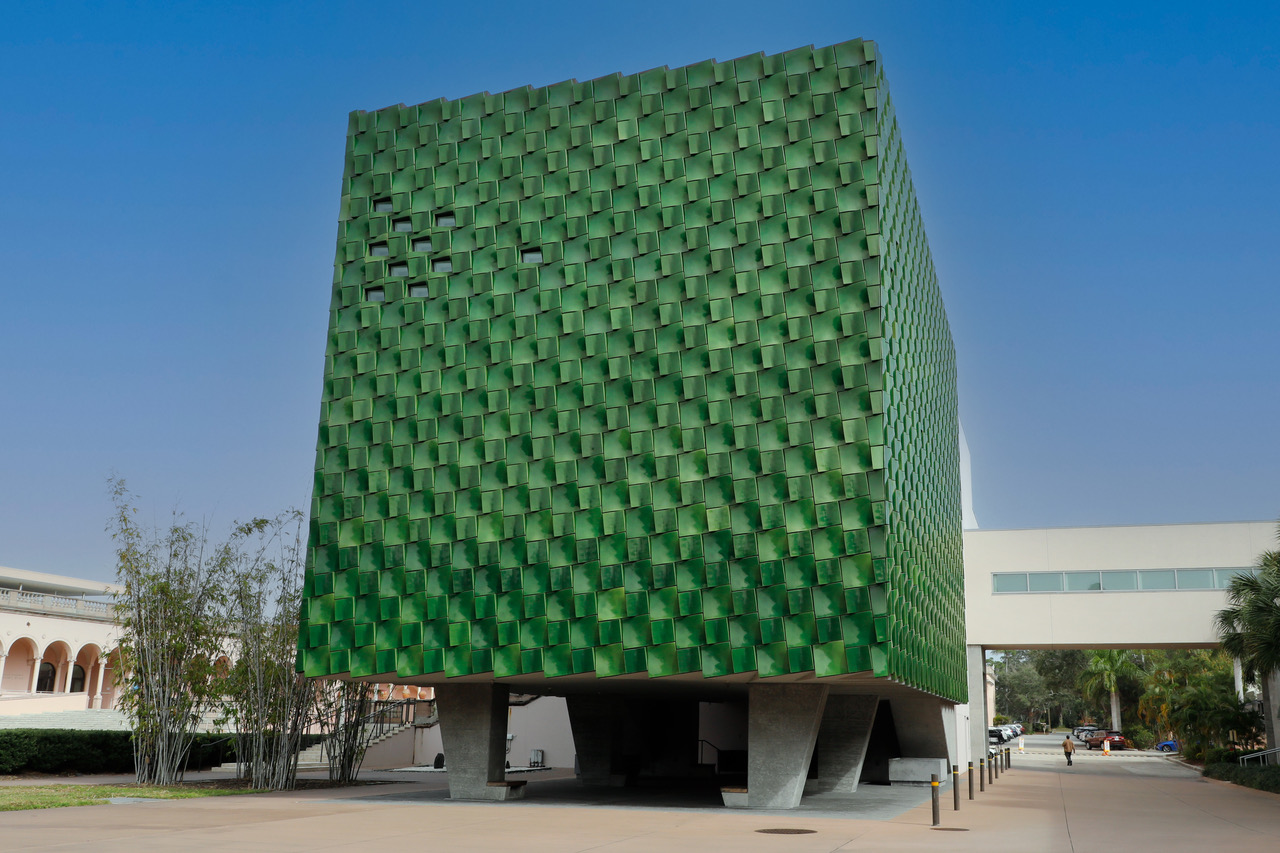
This meeting will be held in Center for Asian Art pictured to the left.
There are numerous hotels in and around the Sarasota area and we encourage you to find accommodations that best fit your situation. If hotels near the Ringling Museum are cost prohibitive, please consider looking outside of Sarasota for lower rate options (check Hampton Inns along I-75 north and south of Sarasota). With a 10am start time you should have ample time to make it to the event venue even if staying outside of the city.
Many thanks to planning team members Austin Mast (FSU); Sharon Tatem (Florida Fish and Wildlife Conservation Commission); Caroline Nickerson (SciStarter); Reanna Putnam (AAPS); and Jennifer Shirk (AAPS)
EQUITY STATEMENT:
AAPS is committed to providing an equitable and inclusive meeting and celebrating the diverse voices in our space. AAPS strives to ensure that all our members and participants feel welcome and comfortable sharing their insights and contributions with the larger participatory sciences community and that all our participants can meaningfully engage in our events.
If you are interested in shaping how equity is woven into our events, please consider joining the planning team. Contact events@citizenscience.org for more information.
Subscribe to receive our latest updates in your inbox!
???? Data Ethics – Refers to trustworthy data practices for citizen science.
Get involved » Join the Data Ethics Topic Room on CSA Connect!
???? Publication Ethics – Refers to the best practice in the ethics of scholarly publishing.
Get involved » Join the Publication Ethics Topic Room on CSA Connect!
⚖️ Social Justice Ethics – Refers to fair and just relations between the individual and society as measured by the distribution of wealth, opportunities for personal activity, and social privileges. Social justice also encompasses inclusiveness and diversity.
Get involved » Join the Social Justice Topic Room on CSA Connect!
???? Human Subject Ethics – Refers to rules of conduct in any research involving humans including biomedical research, social studies. Note that this goes beyond human subject ethics regulations as much of what goes on isn’t covered.
Get involved » Join the Human Subject Ethics Topic Room on CSA Connect!
???? Biodiversity & Environmental Ethics – Refers to the improvement of the dynamics between humans and the myriad of species that combine to create the biosphere, which will ultimately benefit both humans and non-humans alike [UNESCO 2011 white paper on Ethics and Biodiversity]. This is a kind of ethics that is advancing rapidly in light of the current global crisis as many stakeholders know how critical biodiversity is to the human species (e.g., public health, women’s rights, social and environmental justice).
⚠ UNESCO also affirms that respect for biological diversity implies respect for societal and cultural diversity, as both elements are intimately interconnected and fundamental to global well-being and peace. (Source).
Get involved » Join the Biodiversity & Environmental Ethics Topic Room on CSA Connect!
???? Community Partnership Ethics – Refers to rules of engagement and respect of community members directly or directly involved or affected by any research study/project.
Get involved » Join the Community Partnership Ethics Topic Room on CSA Connect!
