
Preliminary CAPS 2025 Conference Program

>>Register Here for CAPS 2025
All times listed, including for the virtual program, are in U.S. Pacific Time, which is local time in Portland, Oregon.
TUESDAY (27th)
9am Workshops/Field Trips
2:00 Opening Keynote
3:45 Talk Sessions
6:00 Opening Reception, Oregon Museum of Science and Industry (OMSI)
WEDNESDAY (28th)
8am Breakfast Session
9:15am Headline Symposium
10:45am Symposia
12:15 pm Lunch
1:15 pm Talk Sessions
2:45 pm Posters and Exhibits
4:00 pm Symposia
6:00 pm Special programs, PSU Smith Memorial
THURSDAY (29th)
8am Breakfast Session
9:15am Talk Sessions
10:45am Symposia
12:15 pm Lunch
1:15 pm Talk Sessions
2:45 pm Posters and Exhibits
4:00 pm Symposia
6:00pm Science for All Showcase, World Forestry Center
FRIDAY (30th)
Workshops/ Field Trips
Full CAPS 2025 Conference Program
Tuesday May 27
AM
PM
Wednesday May 28
AM
PM
Thursday May 29
AM
PM
Friday May 30
AM
PM
Plenary Sessions
Plenary Sessions
For full descriptions of each session, click on the dropdown details using the + or the … symbols.

Opening Keynote:
Growing a global platform for biodiversity: A conversation with iNaturalist
Featuring: Scott Loarie
Executive Director, iNaturalist
+ iNaturalist team members Carrie Seltzer, Head of Engagement, and Alison Young, Director of Outreach Programs
Tuesday, May 26- 2:00-3:30pm
iNaturalist has played a critical role in driving conservation efforts (more)
worldwide, enabling new models for science engagement, and growing the field of participatory sciences. Observations from millions of contributors from around the globe have been used in more than 6,000 scientific publications, contributing to the discovery of new species, tracking the impact of climate change, and shaping biodiversity policies. iNaturalist is revolutionizing the pace at which biodiversity data are being created and shared and has captured the attention of scholars, policymakers, and the media who are looking at volunteer collected data through a new lens.
While many in this field may be familiar with iNaturalist, few have paused to consider the strategic decisions and intentional partnerships behind the incredible growth and reach of the iNaturalist platform since its inception in 2008. This keynote will begin with remarks from iNaturalist executive director, Scott Loarie who will share an inspired vision for crowdsourcing the world’s most diverse and dynamic biodiversity data. We will then be joined by iNaturalist team members Carrie Seltzer, Head of Engagement, and Alison Young, Director of Outreach Programs, for a deeper conversation about partnerships, balancing the needs of scientists and volunteers, and other topics relevant to projects at any scale and stage.
Speakers:
Scott Loarie, iNaturalist; Carrie Seltzer, iNaturlist; Alison Young, iNaturalist
Moderator: TBA
Plenary Panel:
Respectful and Reciprocal Collaboration with Indigenous Communities
Wednesday, May 28- 9:15-10:30am
Speakers:
- Jeremy FiveCrows (Columbia River Inter-Tribal Fish Commission)
- Gabe Sheoships Friends of Tryon Creek State Park, director
- Lili Yazzie (Diné) Friends of Tryon Creek State Park, Green Leaders Workforce Coordinator
- Ashley Cordes (University of Oregon, Coquille)
- Darius Yaw (PSU) Indigenous Traditional Ecological & Cultural Knowledge
This panel discussion will feature speakers from Indigenous communities (more)
who will share their thoughts, stories, and insights on how to respectfully and reciprocally collaborate with Indigenous communities. This session will delve into the essential elements of meaningful engagement, collaboration and partnership between indigenous communities and participatory science organizations. Attendees will gain valuable knowledge on approaching collaborations with humility, recognizing the sovereignty of Indigenous nations, and supporting community-led initiatives.
Conveners: Lu Whitebear (Assistant Professor, Indigenous Studies, Oregon State University) and Tim Hecox (World Forestry Center)
This panel discussion will feature speakers from Indigenous communities who will share their thoughts, stories, and insights on how to respectfully and reciprocally collaborate with Indigenous communities. This session will delve into the essential elements of meaningful engagement, collaboration and partnership between indigenous communities and participatory science organizations. Attendees will gain valuable knowledge on approaching collaborations with humility, recognizing the sovereignty of Indigenous nations, and supporting community-led initiatives.
Conveners: Lu Whitebear (Assistant Professor, Indigenous Studies, Oregon State University) and Tim Hecox (World Forestry Center)
Speakers:
- Jeremy FiveCrows (Columbia River Inter-Tribal Fish Commission)
- Gabe Sheoships Friends of Tryon Creek State Park, director
- Lili Yazzie (Diné) Friends of Tryon Creek State Park, Green Leaders Workforce Coordinator
- Ashley Cordes (University of Oregon, Coquille)
- Darius Yaw (PSU) Indigenous Traditional Ecological & Cultural Knowledge
Symposia
Click on the title of the symposia below to expand the details.
Wednesday, May 28- 10:45am-12:15pm
Summary: Libraries are vital for community engagement and promoting diversity in participatory action research. Over the past two years, SciStarter, and global partners have trained libraries worldwide as hubs for C*Sci. This session highlights successful initiatives, trends, and resources.
Practices: Participant Engagement and Learning
Format: Panelist talks and discussion
Convener: Tara Cox, SciStarter
Speakers: Emma Giles, SciStarter; Clea Montanari, European Citizen Science Association; Juliette Chalant Devlesaver, Public Libraries 2030; Nurfarawahidah Badruesham, University of Malaysia/Citizen Science Asia
Summary: Citizen science is becoming increasingly influential, shaping policy and contributing to global goals. Yet, the question remains: is the citizen science community ready to embrace this growing role?
Practices: Achieving and Communicating Outcomes
Format: Lightning talks and World Cafe
Convener: Dilek Fraisl, International Institute for Applied Systems Analysis (IIASA) & Citizen Science Global Partnership (CSGP)
Speakers: Austin Mast, Association for Advancing Participatory Sciences (AAPS); Francesca Perucci, Open Data Watch & UN Statistics Division (UNSD) Citizen Data Collaborative; Mariana Varese, Ibero-American Network of Participatory Science (RICAP); Dorte Riemenschneider, European Citizen Science Association (ECSA); James Sprinks, Earthwatch Europe
Summary: Graduate students will share their social science research advancing understanding of systemic changes needed to bring about IDEAL projects. Each student will present a lightning academic talk with ‘real talk’ summary in plain and direct terms. Session concludes with Q&A.
Practices: Justice, Equity, Diversity, And Inclusion
Format: Academic & Real Talk
Convener: Caren Cooper, North Carolina State University
Speakers: George Harley-Wenn, North Carolina State University; Anna Woodroof, North Carolina State University; Kurt Naquin, North Carolina State University; Deja Perkins, North Carolina State University; Marcus Bailey, North Carolina State University
Summary: We will discuss opportunities & drawbacks to the use of AI in citizen science, how to ensure it is responsible, ethical, & trustworthy, & how to keep volunteers engaged in this research. These are the first steps towards a “charter for the responsible use of AI in the participatory sciences”.
Practices: Research Design and Management
Format: Panelist talks and discussion
Convener: Liz Dowthwaite, University of Nottingham and Responsible AI UK
Speakers: Lucy Fortson, University of Minnesota and Zooniverse; Sarah Huebner, Smithsonian Conservation Biology Institute; Luigi Ceccaroni, Earthwatch Europe; Andrea Grover, University of Nebraska at Omaha
Wednesday, May 28- 4:00-5:15pm
Summary: This session will showcase NASA participatory science projects that focus on science outcomes, learning outcomes, or a combination of the two. It will invite attendees into a discussion of this intersection and seek to identify important factors and strategies for success in both.
Practices: Participant Engagement and Learning
Format: Fishbowl event
Convener: Sarah Kirn, Gulf of Maine Research Institute
Speakers: Sarah Kirn (Gulf of Maine Research Institute); MaryKay Severino (ARISA Lab LLC); Lin Chambers, (NASA – National Aeronautics and Space Administration); Lisa Ogiemwonyi, (Wayne RESA); Rusty Low (Institute for Global Environmental Strategies); Ryan Scott (NASA)
Summary: The COVID-19 pandemic showed the need for community involvement in managing outbreaks. This symposium explores how Citizen Science can help monitor disease risks, address inequalities, and improve pandemic preparedness, with case studies and discussions on making communities safer and more resilient.
Practices: Participant Engagement and Learning
Format: Talks and storytelling
Convener: Orsolya Bajer-Molnar MSc PhD, Medical University of Vienna
Speakers: Orsolya Bajer-Molnar MSc PhD, Medical University of Vienna & Christine Marizzi PhD, Biobus New York; Barbara Kieslinger PhD, Zentrum fur Soziale Innovation (contributor); Theresa Schaefer MSc, Zentrum fur Soziale Innovation (contributor)
Summary: This session will explore how to build a Pan-European Research Infrastructure for Citizen Science, addressing challenges like fragmentation and inconsistent data management. Attendees will share their vision and needs, and co-design solutions to improve collaboration, data quality, and sustainability.
Practices: Research Design and Management
Format: Panelist talks and discussion
Convener: Fermín Serrano Sanz, Ibercivis Foundation – Institute for Biocomputation and Physics of Complex Systems of the University of Zaragoza
Speakers: Caren Cooper (NC State University); David Cuartielles (Malmö University – Arduino); Dilek Fraisl (Citizen Science Global Partnership); Gregory Newman (CitSci.org); Jaume Piera (ICM-CSIC); Francisco Sanz, (Ibercivis); Karen Soacha (Red Iberoamericana de Ciencia Participativa – CSIC); Franziska Stressmann (European Citizen Science Association); Mariana Varese (Alianza Aguas Amazónicas); Kai-Ti Wu (European Citizen Science Association)
Thursday, May 29-- Morning Symposia
Summary: Citizen science is an innovative school science pedagogical tool to improve student STEM learning and outcomes by providing practical experience in scientific inquiry and critical thinking. This international panel will discuss their programs, challenges and successes.
Practices: Participant Engagement and Learning
Format: Panelist talks and discussion
Convener: Rebecca Boger, GLOBE Implementation Office
Speakers: Rodrigo Arantes Reis, Federal University of Paraná; Jill Nugent, Southern New Hampshire University; Lisa Milenkovic, Broward County Public Schools; Russanne Low, IGES
Summary: Discuss participatory science programs that engages all ages and is providing the tools/skills/support to document, reflect upon, and communicate issues of concern; collect environmental samples, and make sense of data so that their results can inform actions at the local/regional/national level.
Practices: Achieving and Communicating Outcomes
Format: Storytelling
Convener: Monica Ramirez-Andreotta, University of Arizona
Speakers: God’sgift Chukwuonye, University of Arizona; Melissa Jacquez, University of Arizona; Miriam Jones, University of Arizona;
Summary: We explore the scaling up of citizen science to address global needs in biodiversity, public health, and environmental monitoring. We will discuss challenges and strategies for funding, data, social innovation, and transformative change that can be barriers and enablers of upscaling this approach.
Practices: Establishing the Participatory Sciences Field of Practice
Format: Panelist talks and discussion
Convener: James Sprinks, Earthwatch Europe
Speakers: Luigi Ceccaroni, Earthwatch Europe; Muki Haklay, University College London; Heidi Ballard, University of California, Davis; Austin Mast, Florida State University; Marius Oesterheld, Museum für Naturkunde Berlin; Giovanni Maccani, Ideas for Change; Dilek Fraisl, IIASA
Summary: Supporters of participatory science see value in engaging community in scientific research, though it is less clear whether this view is widely shared in the research community. A panel of research leaders will discuss the role of participatory science in the overall system of scientific research.
Practices: Research Design and Management
Format: Panelist talks and discussion
Convener: Martin Storksdieck, Oregon State University STEM Research Center
Speakers: List forthcoming
Thursday, May 29-- Afternoon Sessions
Summary: Research directly benefits from the public’s participation, but what do participants “get” from the participatory sciences? This session will explore how participants conceive of reciprocity, increasing mutual benefits through data sharing, communication, and evaluating shortcomings and successes
Practices: Achieving and Communicating Outcomes
Format: Gallery Walk then Fishbowl
Convener: Veronica Del Bianco (Loyola University New Orleans, Co-chair of AAPS Research & Evaluation Working Group)
Speakers: Veronica Del Bianco (Loyola University New Orleans, Co-chair of AAPS Research & Evaluation Working Group), Katy May (North Carolina State University), Dani Lin Hunter (North Carolina Environmental Justice Network), Christine Anhalt-Depies (Wisconsin Department of Natural Resources)
Summary: Zoos and aquariums draw large, diverse audiences that provide us with an opportunity to diversify wildlife conservation. Join us to share and discuss experiences of zoos and aquariums building a broader and more diverse conservation community through participatory conservation.
Practices: Justice, Equity, Diversity, And Inclusion
Format: Panelist talks and discussion
Convener: Katie Remine, Woodland Park Zoo
Speakers: Shervin Hess, Oregon Zoo; Kerry Carlin-Morgan, Oregon Coast Aquarium; Johanna Varner, Colorado Mesa University
Summary: Digital technologies are now a basic part of people’s social and institutional environments, fueling public concern about health, justice, and our shared future. In this session, hear from community leaders, journalists, and academics who are advancing participatory science about digital technology.
Practices: Establishing the Participatory Sciences Field of Practice
Format: Panelist talks and discussion
Convener: J. Nathan Matias, Citizens and Technology Lab, Cornell University
Speakers: Sarah Gilbert, Citizens and Technology Lab, Cornell University; Alan Smith, Consumer Reports; Brandi Geurkink, Coalition for Independent Technology Research; Todd Whitney, Independent Reporter-Technologist
Summary: Litter is a powerful driver for knowledge and reflection about natural science and conservation. In this session we will exchange learnings from participatory science programs investigating litter in different ecosystems. Main goal will be to identify what litter has taught us that may be important to engage people in other global challenges.
Practices: Participant engagement and learning
Format: Gallery Walk
Convener: Diamela De Veer Pueyo, Smithsonian Environmental Research Center
Speakers: Martin Thiel, Smithsonian Environmental Research Center; Tim Kiessling, University of Kiel; Sinja Dittmann, University of Kiel; Ninoshka López, Smithsonian Environmental Research Center; Nelson Vásquez, Universidad Católica del Norte; Daniela Honorato Zimmer, Universidad Católica del Norte.
Workshops
Register for workshops when you register for CAPS 2025.
Please review the listing carefully to note all times and fees (where applicable). Most of these workshops have attendee limits. Please only register for a workshop if you will be present to attend.
Workshops have fees to help offset costs, except in cases where costs are covered by the workshop organizer. A limited number of seats are available at reduced or no cost. If you cannot participate in a workshop because of fees, please contact events@citizenscience.org for options before you register.
Select workshop presenters indicated their willingness to also offer an online version of their workshop after the conference. Details about online workshops forthcoming.
Click the workshop name to expand details.
Tuesday, May 27th
All workshops in this list will take place between 10am-1pm unless otherwise noted.
Summary: Citizen Science is prevalent in public libraries, but research libraries have not embraced this area. However, they seem uniquely positioned, report the needed skills, and in Europe support services or hubs are being establish. Building on this our workshop focuses on growing institutional capacity.
Audience: Staff and management from research libraries, university management and administrators, researchers, public libraries, NGO’s, and policy makers.
Practices: Establishing the Participatory Sciences Field of Practice
Cost: $35
Organizer: Thomas Kaarsted (University of Southern Denmark, SDU)
Co-Presenters:Darlene Cavalier (Arizona State University, SciStarter); Karen Ciccone (Lead Librarian For Public Science, North Carolina State University); Anne Kathrine Overgaard (Head Research And Innovation Support, Health Science Faculty, SDU); Thomas Kaarsted (Deputy Library Director And Director Of SDU Citizen Science) Knowledge Center
Summary: To explore the opportunities and challenges inherent in citizen science we propose a discussion game based on the Playdecide (playdecide.eu) model. Discussion games are deliberative games designed to promote discussion, in a process of comparison of ideas and facts, data and concepts.
Audience: Young researchers
Practices: Establishing the Participatory Sciences Field of Practice
Organizer: Enrico M. Balli (ECSA – European Citizen Science Association)
Co-presenters: Cléa Montanari (Universite Paris Cite)
Cost: $35
Title: Meet Your Nighttime Neighbors: Exploring Nocturnal Nature Through Bat Observation Community Science
Summary: How do we safely engage people in observing secretive nocturnal wildlife? In this workshop, Woodland Park Zoo, Bats Northwest and FieldScope will share about our bat observation program (Bat Activity Trends) and facilitate a group discussion on inclusive nocturnal wildlife community science.
Audience: Science/nature facilitators (anyone who helps to connect community members with science and nature), bat/nocturnal wildlife researchers
Practices: Participant Engagement and Learning
Organizer: Katie Remine, Woodland Park Zoo
Co-presenters: Niki Desautels (Bats Northwest); Brianna Widner (Woodland Park Zoo); Jessica Bean (FieldScope)
Cost: $35
Summary: Learn about the FieldScope platform for collecting and visualizing data and supporting an understanding of the process of science. Join this session if you facilitate or design programs for informal and formal settings that could engage learners of all ages in making sense of data.
Audience: Participatory science leaders and facilitators, formal and informal educators
Practices: Participant Engagement and Learning
Organizer: Jessica Bean (FieldScope/ UC Berkeley)
Cost: $20
Co-presenters: Adriane Bercegeay (Louisiana State University); Jamie Deutch-Noll (FieldScope, BSCS Science Learning); Niki Desautels (Bats Northwest); Renée DeVaul (FieldScope); Peggy Harte (UC Davis); Erik Johnson (Audubon Delta); Katie Remine (Woodland Park Zoo); Jeffrey Roth (Louisiana State University); Rebekah Taylor (Frostburg University); Brianna Widner (Woodland Park Zoo); Catherine Nguyen (UC Berkeley)
Summary: This session will bring together participatory science leaders and educators to co-design learning materials related to their unique projects. Participants will leave with newly developed or enhanced learning outcomes and materials, as well as the opportunity to receive free post-workshop support.
Audience: Participatory science leaders and educators who are interested in developing and/or enhancing learning outcomes and materials related to their projects.
Practices: Participant Engagement and Learning
Organizer: Brittney Beck (California State University, Bakersfield)
Co-presenters: Jessica Rebecca Bean (UC Berkeley & FieldScope); Peggy Harte (UC Davis Center for Community & Citizen Science); Michael Jabot (SUNY and NASA GLOBE Program); Anne Haywood (Mountain to Sea Education)
Cost: $40
Summary: This workshop introduces an online Usability Heuristic Assessment Tool (UHAT) to assist project organizers in determining the usability of their online resources. Self- assessment can result in more usable and useful content and can inform decisions about allocating funds for digital technologies.
Audience: Practitioners with at least 3 months of experience organizing a citizen/participatory science project including hands-on experience with managing online content and functionality or digital technologies for data collection, volunteer engagement or training.
Practices: Research Design and Management
Organizer: Turam Purty, Information School (University of Washington)
Co-presenters: Turam Purty (University of Washington) Apala Chaturvedi (University of Washington); Amy Shanna Sun (University of Washington); Dr. Jaime Snyder (University of Washington); Dr. Bianca Perla, PhD (Science Director, Vashon Nature Center)
Cost: $35
Summary: We will discuss climate-centered participatory science, and brainstorm how coastal residents could collect additional high-quality data to directly address climate impacts. Outputs from the workshop will include a concept map of the data-space, and a published opinion piece.
Audience: Climate-centered participatory science in coastal spaces; a brainstorm session about the types of high-quality data, and participatory project models, coastal residents can, or could in future, engage in. Outputs will include a concept map of the data-project model intersection space, and a published opinion piece.
Practices: Research Design and Management
Organizer: Julia Parrish (University of Washington)
Co-presenters: Denise Harrington (Oregon Shores Conservation Coalition); Dana Oster (Northwest Straits Commission); Jackie Lindsey (University of Washington)
Cost: $35
Summary: Join Vernier Science Education to learn how easy Vernier wireless sensors are to use with their free app, Graphical Analysis, to collect data around the PSU campus. Participants will use Go Direct Weather sensors and Go Direct Light and Color sensors to measure variables that are important when analyzing heat islands in urban areas. Sensors used for water quality measurements and other environmental variables will be demonstrated as well. Come with excitement and a sense of curiosity!
Practices: Research Design and Management
Organizer: Colleen McDaniel, Vernier Science Education
Cost: $20
Summary: Join this interactive workshop and learn more about ways to share and get credit for your work with editors from the journals Citizen Science: Theory & Practice, Community Science and the society-sponsored Community Science Exchange Hub. We’ll explore how to to publish, share, and boost work, both as a peer-reviewed article and beyond, including project reports, case studies, educational toolkits, and more.
Time: 9am-12pm
Audience: Anyone interested in elevating and expanding the reach of your work in citizen science, community science, participatory action research, or other work performed by, for, or with non-scientist communities
Practices: Establishing the Participatory Sciences Field of Practice
Organizer: Kristina Vrouvenvelder, (American Geophysical Union)
Co-presenters: Julia Parrish (University of Washington), Kathryn Semmens (The Nurture Nature Center), and Allison Schuette (American Geophysical Union)
Cost: $20
Friday, May 30th
Workshops in this list will take place at the OSU Portland Center. Friday workshops include quarter (9am-12pm) and full day sessions (9am-4pm).
Summary: BioBus will share the pillars of their neighborhood-based programs as a model for building strong community partnerships. Through interactive discussions, participants will reflect on their organizations’ community engagement strategies and leave with new ways to equitably address community needs.
Time: 9am-12pm
Audience: Community based organizations; science centers; museums; researchers; students and teachers in informal science education.
Practices: Justice, Equity, Diversity, and Inclusion
Organizer: Marina Delgado (BioBus, Inc.)
Co-presenters: Maia Yoshida (BioBus); Luz Velasco Vela (BioBus); Candida Barreto (BioBus); Marina Delgado (BioBus); Bella Duati (BioBus); Alison Dell (BioBus); Zoe Kim (BioBus)
Cost: $35
Summary: Support materials are important for helping K-12 teachers implement high-quality participatory science lessons in their classrooms. We will share lessons learned and materials developed during a 5-year study and provide an opportunity to start developing your own support materials for teachers.
Time: 9am-4pm (full day)
Audience: We anticipate our work being of most use to project leaders interested in engaging K-12 teachers with their projects in their classrooms, but we welcome K-12 and informal science educators as well.
Practices: Participant Engagement and Learning
Organizer: Christine (Chris) Goforth (North Carolina Museum of Natural Sciences)
Co-presenters: P. Sean Smith (Horizon Research, Inc.); Sarah Carrier (North Carolina State University)
Cost: $60
Summary: Workshop participants will discover benefits in learning how to read and review papers in Citizen Science: Theory & Practice (CSTP). CSTP is an open, online, peer-reviewed journal helping advance the field of participatory sciences. If you enjoy CAPS, then you’ll enjoy the CSTP community too!
Audience: Those interested in better understanding and appreciating academic literature and offering service to CSTP by becoming a reviewer.
Practices: Establishing the Participatory Sciences Field of Practice
Cost: $20
Organizer: Caren Cooper (North Carolina State University)
Co-presenter: Alison Cawood (Smithsonian Institute); James Sprinks (Earthwatch Europe); Liz Dowthwaite (Horizon Digital Economy Research Institute); Dilek Fraisl; International Institute for Applied Systems Analysis (IIASA); Cat Davis (UMSES)
-This workshop has been withdrawn-
Summary: This workshop equips participants with skills to collect, access, and analyze Earth science data from multiple government sources. Learn leading practices with NEON protocols, gain an understanding of spectral data using NASA STELLA, and explore NASA Landsat data with GIS and other tools.
Time: 9am-4pm (full day)
Audience: Data-savvy program coordinators, designers, trainers, educators
Practices: Participant Engagement and Learning
Organizer: Elizabeth Joyner (NASA/SSAI)
Co-presenters: Ginger Butcher ( NASA Landsat Communications and Public Engagement Lead); Rhea Esposito (NEON Curriculum Developer); Bridget Hass (NEON remote sensing/AOP lead); Allison Nussbaum (NASA Landsat Communications and Public Engagement Coordinator
Summary: The GLOBE Program offers a range of protocols and a robust database that community scientists can use to collect environmental data in a variety of settings. Participants will learn water, soil, weather, and biomass protocols and explore how GLOBE fits with their projects and audiences.
Time: 9am-4pm (full day)
Audience: Anyone interested in environmental measurements – water monitoring groups, schools, informal science centers, camps, libraries, park service
Practices: Participant Engagement and Learning
Organizer: Jennifer Bourgeault (U.S. GLOBE Country Coordination Office & University of New Hampshire)
Co-presenters: Mike Jabot (SUNY Fredonia & GLOBE Implementation Office); Becky Boger (CUNY & GLOBE Implementation Office); Holli Kohl (GLOBE Observer & NASA Goddard); Anne Lewis (South Dakota Discovery Center GLOBE Partnership)
Summary: This workshop will combine theory, practical experience and hands-on activities to help researchers (early career and more advanced) to integrate or elaborate on the participatory/citizen science component of their scientific research proposals.
Time: 9am-4pm (full day)
Audience: Early career researchers that are developing their participatory/citizen science component of their research proposal, as well as experienced researchers who want to develop proposals and share their knowledge.
Practices: Research Design and Management
Organizer: Muki Haklay (Université Paris Cité/Learning Planet Institute)
Co-presenters: Heidi Ballard (UC Davis); Cléa Montanari (Universite Paris Cite); Ryan Myers (UC Davis)
Field trips
Field trips have fees to help offset costs, except in cases where full costs are covered by the field trip host. A limited number of seats are available at reduced or no cost. If you cannot participate in a field trip because of fees, please contact events@citizenscience.org to inquire about options before you register.
Field trips are scheduled for the morning of Tuesday May 27th and on Friday May 30th, as well as one Wednesday evening field trip. Please check date and time below before registering. Most of the field trips have attendee limits. Please only register for a field trip if you will be present to attend.





Click the title of the field trip title below to expand details.
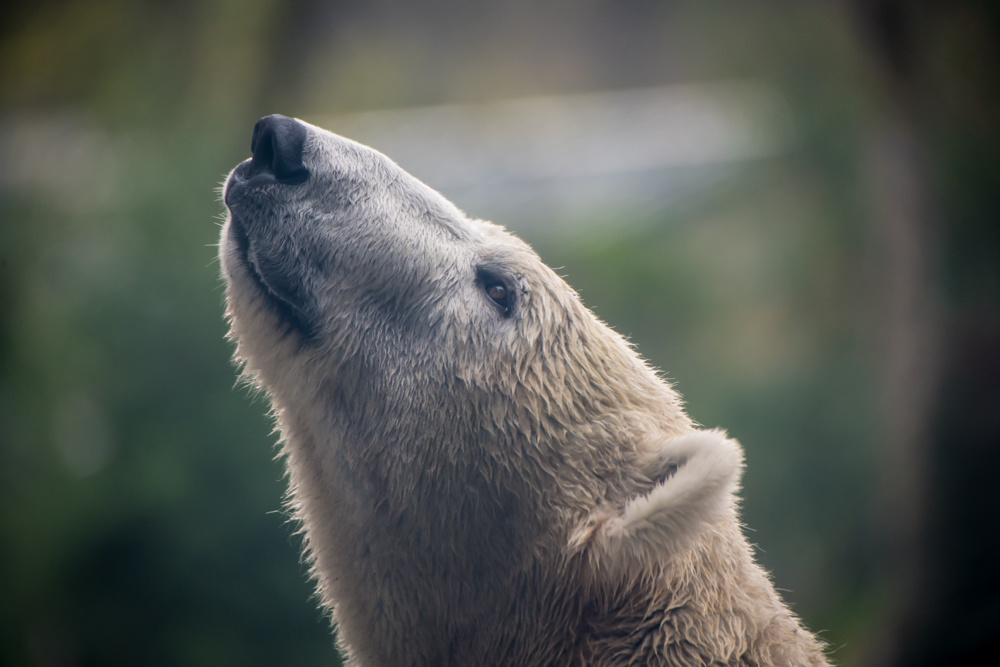
Attendees can access a discounted ticket to the Oregon Zoo for a self-guided tour anytime during the week of May 26-30 by registering for this field trip. There is a welcome presentation on Tuesday morning, which has its own registration.
Presentation Date: Tuesday, May 27, 10:30am (spaces limited)
Host Organization: Oregon Zoo
Cost: $19 at gate
Home to California condors, polar bears, and countless other incredible species, the Oregon Zoo offers a unique blend of conservation, education, and adventure, inviting you to explore its wonders at your own pace after a brief welcome from staff.
Date: Tuesday, May 27th, 8am-1 pm
Host organization: Bird Alliance of Oregon
Cost: $40
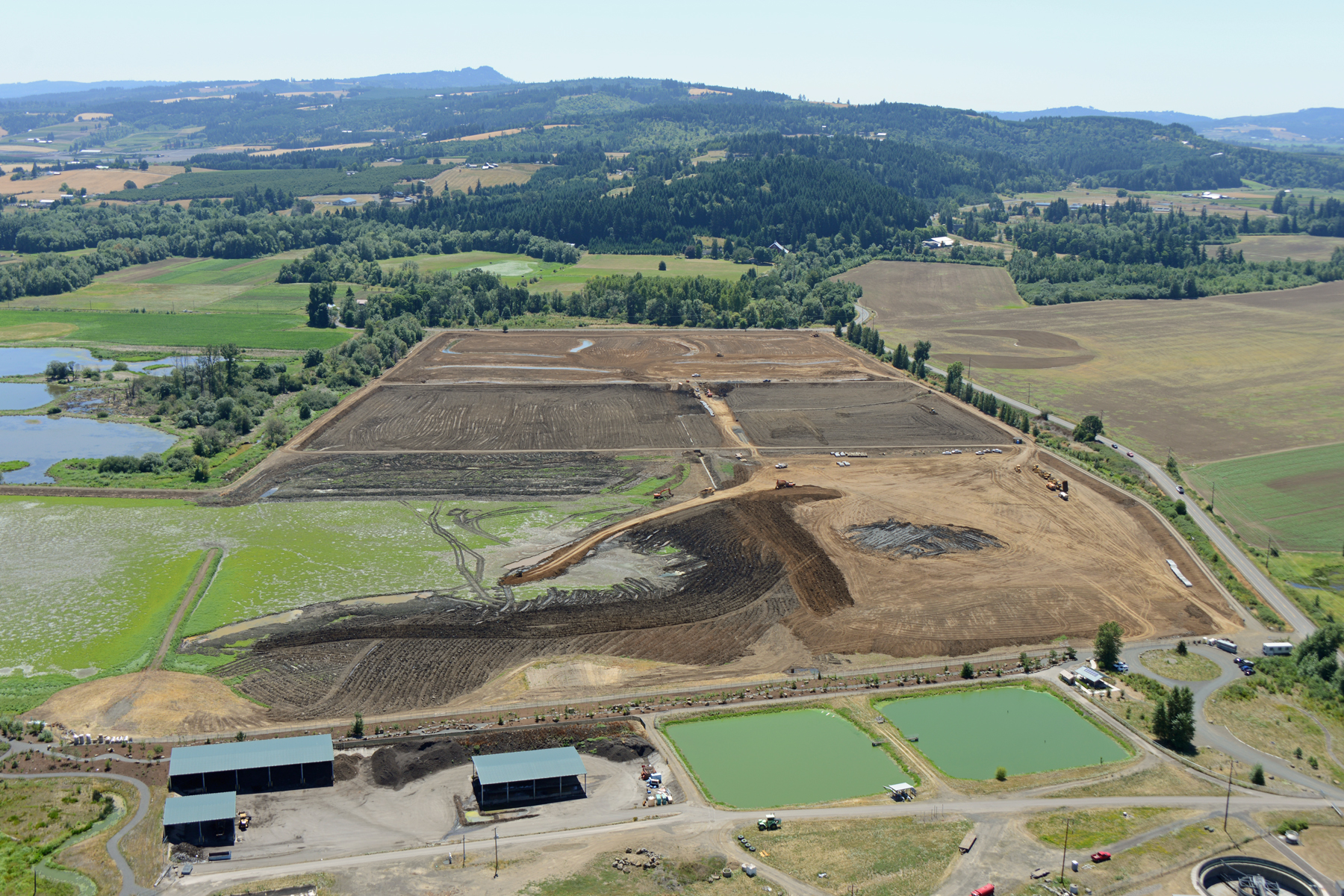
Learn firsthand how a community science project revealed avian community response to a restoration project that transformed 90 acres of unused sewage ponds into native wetland habitats designed to naturally treat wastewater
Date: Tuesday May 27th, 10am-1pm
Host organization: Peder Nelson, OregonView & CEOAS-GLOBE Partnership
Cost: $15
The GLOBE (Global Learning and Observations to Benefit the Environment) Program is an international science and education program that focuses on promoting scientific literacy and building connections between people passionate about the environment. This field trip will involve a guided walk to the Duniway Park Lilac Garden to discuss open space, land cover changes, and phenology gardens. Attendees will have the option to extend the trip to complete the 3T experience (seeing Portland by trail, tram, and trolley).
Date: Wednesday, May 28, 7:30 p.m. – 9:45 p.m.
Host Organization: Woodland Park Zoo and Bats Northwest
Cost: $15
Conduct an evening bat observation following the model of the Seattle area’s Bat Activity Trends program. We can’t promise bats, but we can build your bat activity observation skills and share lessons about engaging community members in nocturnal wildlife observations!
Friday, May 30: 9:15am-4:30pm
Host organization: Oregon Bee Atlas
Cost: $85
Travel to the Columbia River Gorge National Scenic Area to view spectacular spring blooms, sip Oregon wine and learn about the world’s largest specimen-based bee biodiversity program, the Oregon Bee Atlas. You will collect bees specimens and plant photo vouchers alongside Oregon State University Master Melittologist volunteers at a Mosier Plateau, a site managed by Friends of the Columbia Gorge . It will also be an opportunity to learn about the incredible natural history of this area as we travel up the Historic Columbia River Highway to the Rowena viewpoint.
Date: Friday, May 30: 7am- 12pm
Host organization: Oregon Zoo
Cost: $40
Discover the stunning Columbia River Gorge while contributing to a participatory science project that tracks the adorable American pika, helping to inform management of this National Scenic Area.
Date: Friday, May 30, 8:30am – 3:30pm (10-2 on the coast)
Hosting Organization: Coastal Observation and Seabird Survey Team (COASST)
Cost: $70
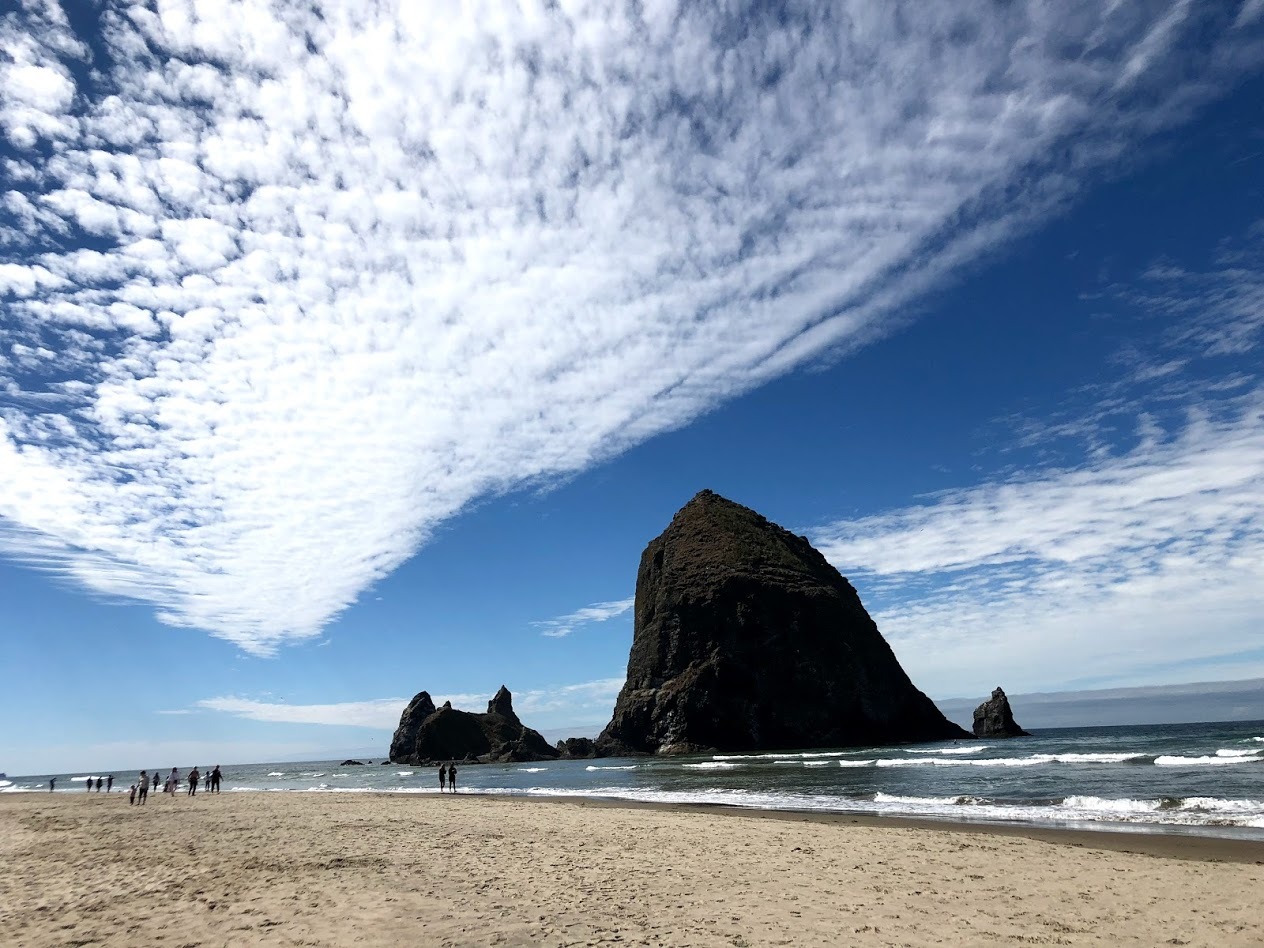
Join the Coastal Observation and Seabird Survey Team (COASST) on the beach to learn about citizen science in action! COASST Executive Director Dr. Julia Parrish will lead attendees in a beached bird survey of Cannon Beach. Local COASST surveyors will meet attendees on-site to help demonstrate survey protocols and bird identification, and to speak about their experiences on monthly COASST beach surveys.
Date: Friday May 30th, 1pm- 4:30pm
Host Organization: Woodland Park Zoo, Metro Parks and Nature, and City of Gresham
Cost: $40
Join members of your local host committee and wildlife experts from the area to learn how to conduct visual encounter surveys of breeding amphibians (looking for egg masses of frogs, toads, salamanders and newts, oh my!). We will explore a local wetland and demonstrate how teams of volunteers are trained to survey local wetlands for amphibians.
Special programs
For full descriptions of each event, click on the dropdown details using the + or the … symbols.

TUESDAY EVENING – CAPS Opening Reception at OMSI
Date: Tuesday, May 27, 6-9 pm
Location: Oregon Museum of Science and Industry
CAPS will kick off with an opening reception at
… the Oregon Museum of Science and Industry (OMSI). OMSI is Oregon’s largest informal science education center and is a national leader in innovative (informal) science education and engagement. Conference attendees will have an opportunity to explore museum exhibits and learn from museum staff.

Throughout the week – Enhance your publication and peer review opportunities
Wondering where or how to publish about your work in this field, or interested in learning more about the process of peer review?
Editorial and team leaders from Citizen Science: Theory & Practice and from Community Science Exchange (Journal and Hub) share a series of opportunities to help you navigate options and share your expertise. Click items below for more details on each.
W (afternoon) - Publishing 101 Office Hours
Drop by the AGU exhibit space during the poster session for informal Q&A with editors from editor from Community Science, Citizen Science: Theory & Practice, and the Community Science Exchange Hub. Bring your questions and ideas, and leave with materials to help you navigate your publishing options.
W. 2:45-4pm.
Th (several times) - Editor Rapid Reviews
Schedule a 15-minute 1-on-1 meeting with an editor from Community Science, Citizen Science: Theory & Practice, or the Community Science Exchange Hub. Editors will be available to offer advice on publishing and sharing participatory, community, and citizen science work in a peer-reviewed journal and beyond. Bring your abstract, poster, or elevator pitch and book your appointment with an editor here.
F (workshop) - Be a Peer! Benefits of Reviewing for CSTP
Workshop participants will discover benefits in learning how to read and review papers in Citizen Science: Theory & Practice (CSTP). CSTP is an open, online, peer-reviewed journal helping advance the field of participatory sciences. If you enjoy CAPS, then you’ll enjoy the CSTP community too!
See full details in the list of event workshops – advance registration required.
W (breakfast) - Beyond the Paper: Promoting and Sharing Your Work
The Community Science Exchange Hub offers new ways to publish, share, and boost work such as project reports, case studies, educational toolkits, and more. Join the Hub’s Editor-in-Chief, Jay Schensul, and AGU’s Allison Schuette for an overview and exploration of these exciting new publishing and promotional opportunities to share your work with colleagues and communities.
W. 8-9am, breakfast provided. Sponsored by AGU.
W (lunch) - Workshop: Publish and Get Credit for Your Work
Join our interactive workshop and learn more about ways to share and get credit for your work with editors from the journals Community Science and Citizen Science: Theory & Practice, as well as from the Community Science Exchange Hub. We’ll explore how to to publish, share, and boost work, both as a peer-reviewed article and beyond, including project reports, case studies, educational toolkits, and more.
W. 12:15-1:15pm, lunch provided for the first 30 participants. Sponsored by AGU.
THURSDAY BREAKFAST –
Perspectives and priorities from STEM funders
Date: Thursday, May 29, 8-9am
Convener: Martin Storksdieck (OSU STEM Research Center)
This breakfast session will include a facilitated panel discussion with
… representatives from federal funding agencies and private foundations. Panelists will explore the strategic value of participatory sciences within their funding portfolios and reflect on their vision for participatory sciences as a means of generating knowledge and connecting science with society. Audience members will have the opportunity to share in the conversation by asking questions via the conference App.
Speakers: TBA
THURSDAY Lunch and Screening – Wild HOPE: Building for Birds and Puffling Patrol
Date: Thursday, May 29, 12:15-1:15
This special lunchtime screening will share two short films from the award-winning
… Wild HOPE series and share information about a new library partnership.
With more than 1 billion birds killed by window strikes each year in the United States alone, HHMI Tangled Bank Studios and STAR Net are launching a national campaign that includes free educational resources for libraries about birds and bird migration. Featuring Tangled Bank Studios’ award-winning “Wild Hope” films that highlight the science of bird migration, the campaign provides simple and fun activities to libraries throughout the country.
Join us for a special lunchtime screening of “Wild Hope: Building for Birds” and “Wild Hope: Puffling Patrol” and learn more about all the free resources being offered.
Lunch provided. Sponsored by HHMI Tangled Bank Studios.

THURSDAY EVENING – Science for All Showcase (open to the public)
Date: Thursday, May 29, 6-9pm
Location: World Forestry Center
Suggested ticket price: $10
This year's conference will feature a Science for All Showcase, an interactive
… evening of workshops, resource tables, and lightning talks. Designed for community connectors including educators, librarians, museum professionals, and others with networking opportunities for evaluators, researchers and project scientists, this event will provide strategies, resources, and connections to bring participatory science to more people. This event has been organized in collaboration with SciStarter, the OSU STEM Research Center, and AAPS.
There will be limited opportunities for participatory science programs that are local to the PNW or open to national or global participation to host a table or give a lightning talk to showcase their program to educators. You can register for this event, and indicate interest in presenting, in the main conference registration.
Local to the Pacific North West? Share about this event with educators you work with using this link.
Individual Presentations:
TUESDAY (27th) 3:45 pm Talk Sessions:
- Bridging the Gap: 1
- Education and Learning: 1
- Ethical Considerations
- Methods: 1
- Methods: 2
WEDNESDAY (28th), 1:15 pm Talk Sessions
- Bridging the Gaps: 2
- Education and Learning: 2
- Knowledge Collaborations: 1
- Methods: 3
- Policy and Decision Making: 2
- Technology-driven innovation: 1
WEDNESDAY (28th), 2:45 pm Poster Session
- Bridging the Gap / Learning
- Methods
- Policy and Decision Making
- Scientific Contributions
- Technology / Knowledge Collaborations
THURSDAY (29th), 9:15am Talk Sessions
- Education and Learning: 3
- Education and Learning: 5
- Knowledge Collaborations: 2
- Methods: 4
- Policy and Decision Making: 3
- Scientific Contributions: 1
THURSDAY (29th), 1:15 pm Talk Sessions
- Education and Learning: 4
- Knowledge Collaborations: 3
- Methods: 5
- Methods: 6
- Scientific Contributions: 2
- Technology-driven innovations: 2
THURSDAY (29th), 2:45 pm Poster Session
- Bridging the Gap / Learning
- Methods
- Policy and Decision Making
- Scientific Contributions
- Technology / Knowledge Collaborations
