Our event highlights leading voices within the participatory sciences and facilitates dynamic discussions. With an online format, you’ll connect with a broad range of people and perspectives that won’t be convened anywhere else.
Share your insights, research, experience or new ideas about practices for participatory sciences with colleagues from around the globe.
Partner with us! Highlight your leadership and bring new dimensions to the attendee experience.
There is still time to partner to convene a topical strand to bring critical attention to priority topics throughout the week long event. If you are interested in supporting attention to a topical area of practice, contact us for options (director@citizenscience.org).
We are also looking for sponsors interested in supporting translation services for the event. If you would like to help make conferencing accessible for Spanish speaking colleagues in the Global South (and elsewhere), please contact us ASAP.
Past Partners Have Supported:
Daily Symposia provide big ideas to discuss, while, throughout the conference, small group Collaborative and Topical Discussion Sessions provide specific opportunities to meet and exchange ideas with participatory science professionals from around the globe.
Multimedia posters are presented in an online poster hub designed to spark engagement and will be available for the entire month.
This collaborative conference utilizes an easy-to-use virtual space that encourages collaboration and discussion. A single Zoom link provides easy access to the conference.
This event offers time to connect, collaborate, and innovate with colleagues from around the world. Join us as we dismantle boundaries in the participatory sciences.
This conference champions radical collaboration: uniting disciplines, communities, and technologies. We'll explore innovative approaches that transcend traditional divisions, fostering a truly interconnected and impactful global citizen science movement for a better future.
This collaborative conference utilizes an easy-to-use virtual space that encourages collaboration and discussion. A single Zoom link (with ample use of breakout rooms) provides easy access to the conference.
The core program includes Keynote presentations and panel-style Symposia on cross-cutting topics. Each day will feature a block of Collaborative Sessions to turn inspiration into action, as well as Topical Discussion Sessions and open time for networking.
Your organization can be a leader for future events. Contact director(at)citizenscience.org for details.
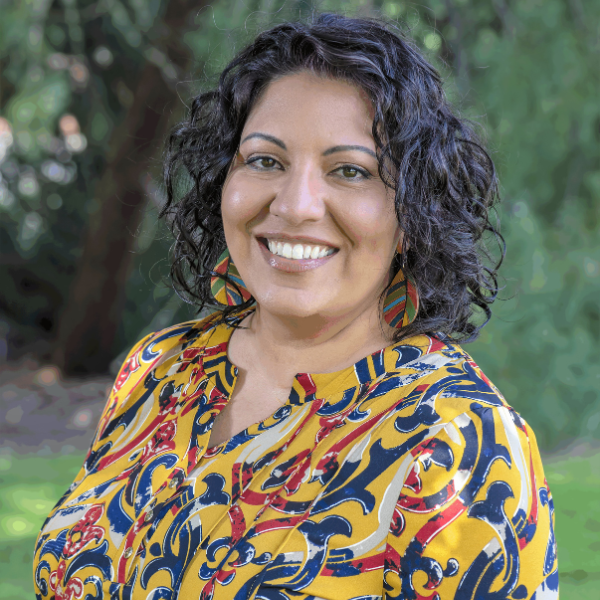
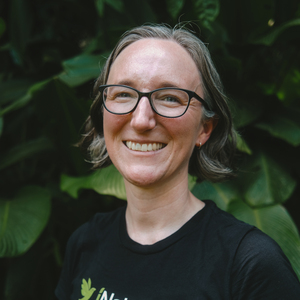
Director, Te Kotahi Research Institute, University of Waikato
Prof. Hudson will present June 3rd, launching a conversation about work in this field at the intersection between big data and local knowledge.
Ideas to Action session will immediately follow.
Find discussions on improving the relevance of biodiversity data, better reflecting local values, improving partnerships, and more in sessions across all four days.
There’s no need to feel like you’re missing any content or conversations with multiple ways to access the deep program of projects innovations and research outcomes.
Live topical discussion sessions will feature over 125 presenters in 18 small break-out groups, where lightning talks lead into facilitated Q&A with poster presenters.
Our media-rich virtual poster platform lets you easily scroll through all of the posters and chat with presenters on your own time – even from your phone
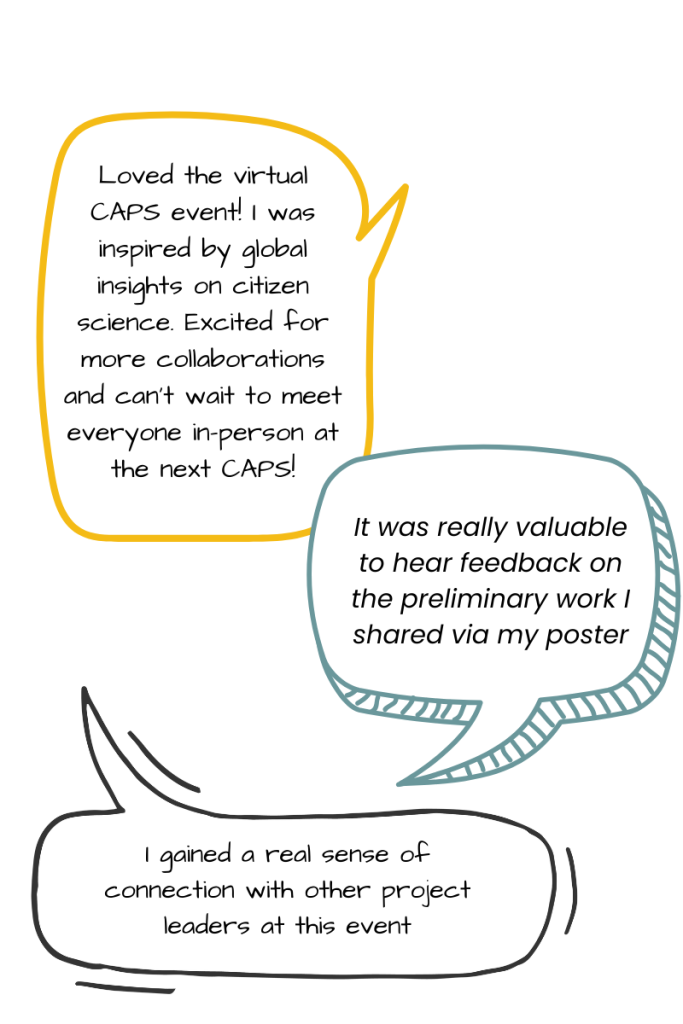
What people are saying about CAPS Virtual:
*To facilitate globally equitable access to this event, practitioners who are based in the Global South (as defined by UNESCO) are eligible for a 50% off of the relevant registration rate. Additionally, members of RICAP (the Ibero-American Association for Citizen and Participatory Sciences) and CitSciAfrica are welcome to register at the rate offered to AAPS Members. All details will be facilitated by the registration form.
Commitments To Equity And Inclusion:
AAPS has, over the years, worked towards creating conferences (and other programming) that acknowledge and address the needs of all people to be welcome, comfortable, and empowered to share their unique insights and contributions. Participatory sciences depend on, and thrive because of, the diversity of perspectives and knowledge people bring together. We know that not all people in this field have the same opportunities, access, or support to participate fully, and that there is still work to be done. The Association is committed to the ongoing process of learning and improving for inclusive conferences.
AAPS is also committed to leading this field’s awareness to how all aspects of the participatory sciences are affected by issues of inclusion, diversity, equity, and access, and that everyone’ s successes are diminished when we don’t address these. This may look like how tech designs are usable, who is encouraged or discouraged to pursue science careers, how data are used and understood (and who controls that), or many other things. Improvements won’t happen without awareness and intentionality. At a time when others are telling us to look away, we ask: how can AAPS help you keep this as an active part of your work?
If you are passionate about shaping a more inclusive future in the participatory sciences, we invite you to join us. Please contact us for options to join our planning team, partner on these efforts or directly support specific initiatives: info@citizenscience.org
Subscribe to receive our latest updates in your inbox!
???? Data Ethics – Refers to trustworthy data practices for citizen science.
Get involved » Join the Data Ethics Topic Room on CSA Connect!
???? Publication Ethics – Refers to the best practice in the ethics of scholarly publishing.
Get involved » Join the Publication Ethics Topic Room on CSA Connect!
⚖️ Social Justice Ethics – Refers to fair and just relations between the individual and society as measured by the distribution of wealth, opportunities for personal activity, and social privileges. Social justice also encompasses inclusiveness and diversity.
Get involved » Join the Social Justice Topic Room on CSA Connect!
???? Human Subject Ethics – Refers to rules of conduct in any research involving humans including biomedical research, social studies. Note that this goes beyond human subject ethics regulations as much of what goes on isn’t covered.
Get involved » Join the Human Subject Ethics Topic Room on CSA Connect!
???? Biodiversity & Environmental Ethics – Refers to the improvement of the dynamics between humans and the myriad of species that combine to create the biosphere, which will ultimately benefit both humans and non-humans alike [UNESCO 2011 white paper on Ethics and Biodiversity]. This is a kind of ethics that is advancing rapidly in light of the current global crisis as many stakeholders know how critical biodiversity is to the human species (e.g., public health, women’s rights, social and environmental justice).
⚠ UNESCO also affirms that respect for biological diversity implies respect for societal and cultural diversity, as both elements are intimately interconnected and fundamental to global well-being and peace. (Source).
Get involved » Join the Biodiversity & Environmental Ethics Topic Room on CSA Connect!
???? Community Partnership Ethics – Refers to rules of engagement and respect of community members directly or directly involved or affected by any research study/project.
Get involved » Join the Community Partnership Ethics Topic Room on CSA Connect!