

AAPS Chartered Groups are where things happen.
Groups work to advance big ideas, establish best practices, and convene topical conversations that move this field forward. Group activities may include preparing material for a webinar, short course, or workshop, compiling resource guides, and working with AAPS leadership on special initiatives among other things. AAPS Groups have been responsible for launching the journal Citizen Science: Theory and Practice, setting global metadata standards, defining fundamental values for community partnerships, and more.
Want to deepen your involvement with AAPS and elevate your leadership in the field?
Join as an Association member to find details on how to contribute to current Group projects on AAPS Connect. Groups have discussion spaces on our member engagement platform AAPS Connect and meet virtually throughout the year and in person at the biennial conference. Members can access information on existing groups, and find options for proposing new groups, in AAPS Connect.
Active AAPS Groups
The following Groups have current charters that have been approved by the Board of Directors. Click on the name of the group to learn more about the group’s purpose and notable projects they have led.
Groups bring great minds together to address shared concerns in the field. Groups, and their tasks, may be proposed by members or chartered by Association leadership. Active group leadership and participation is a benefit of membership, and is supported via Association resources. Groups may hold occasional public-facing events as a product or service, or as part of group outreach to potential new members.
AAPS Conferences rely on the input from a group of volunteer planning committee members that reflects the diversity of the field. Like much of this field, our conference is supported by volunteer committee members who shape both the vision and design of our events as well as hands-on support with logistics. The Conference Planning Committee meets monthly to discuss event themes, structures, and opportunities for innovations in how we conference.
Notable projects include pivoting to a virtual event in 2020, establishing structures to efficiently plan and implement virtual and in-person events, and making diversity, equity and inclusion a central focus of our conference events.
*Charter pending approval
The purpose of this group is to support, advance, and facilitate data interoperability among and between citizen science projects, and other data repositories; and, to promote collaboration in citizen science via the development and/or improvement of international standards for data and metadata.
Notable projects include establishing global, transdisciplinary data and metadata standards for use in Public Participation in Scientific Research (Citizen Science) projects called PPSR Core, building and maintaining a Data Quality Resource Compendium for Citizen and Community Science, and hosting useful workshops at AAPS conferences.
The goal of this group is to create, sustain, and advance norms of data ethics in participatory science. This group seeks to actively support the understanding and use of the Data Ethics Toolkit by providing a space for conversations and questions about the toolkit and beyond. They will regularly host asynchronous conversations about data ethics and invite group members to reflect on the ethics of their own practices.
This group (new in 2023) emerged from a NSF funded Grant “Establishing Norms of Data Ethics in Citizen Science,” No. [1835352], that resulted in the Data Ethics for the Participatory Sciences Toolkit. The seed for this project was planted in the Ethics Working Group (active 2015-2021). The toolkit was co-created with input form over 150 individuals, including many members of AAPS working groups and beyond.
The purpose of this group is to facilitate and investigate effective integration of scientific and educational goals, practices, and outcomes in citizen science with a focus on enhancing accessibility, equity and inclusion.
Notable projects include a five part webinar series on using Citizen Science in Higher Education, a thoughtful post with 10 prompts to reflect on learning, and organizing successful sessions at AAPS conferences.
Fostering discourse and develops resources to support integrity, responsibility, and ethics in the conduct of c*science research and practice. This group currently hosts a discussion forum on AAPS Connect.
This group hosted webinars, authored blog posts, planned conference sessions, and curated a resource guide (available here) as an active working group. Group members also helped curate a Special Collection on Ethical Issues in Citizen Science in the journal Citizen Science: Theory and Practice. Conversations started in this group inspired a grant proposal for the Building Trustworthy Data Practices Initiative that resulted in the Data Ethics Toolkit for Participatory Sciences.
*Charter pending
Environmental Justice Practitioners Working Group (EJPWG) leaders have helped to mobilize AAPS to address the science-to-action gap in research, especially as it relates to equity in science and in community partnerships. The leadership of the EJPWG has provided an invaluable service to both AAPS and the field of citizen science as a whole by working twice monthly with AAPS board and staff for open, honest, and transparent conversations to confront and advance the state of the field.
This 2022 Letter of commitment to the Environmental Justice Community from CSA Leadership outlines a set of organizational commitments to stand up for integrity in science inspired by conversations with and documents drafted by leaders of this group.
Notable achievements of this group include being awarded the 2023 Rick Bonney Award for Leadership.
The JEDI Working Group is a hub for collaborative action within the Association and the broader field of C*Science. This Group advances JEDI in C*science research and practice through collaborations within AAPS and beyond by creating safe spaces for participation, engagement, and expect ethical and inclusive conduct of science by all.
Notable projects include leading an effort to harmonize broad contributions by AAPS members to define Fundamental Values, Process Principles, and Relationship Outcomes for community-driven partnerships, helping shape the Community Guidelines for AAPS, and being available to review AAPS programs and policies with an equity lens.
This Group provides collaborative opportunities for peer-to-peer feedback on evaluation tools, research in progress, IRB policies, and other human subjects protection issues. They facilitate the sharing of evaluation findings and provide access to outcomes of citizen science that can be communicated to broader audiences. Additionally, the group seeks to understand the status of research in the field and determine gaps to suggest a robust research agenda, which advances the development, implementation, and evaluation of citizen science.
Notable projects include leading successful evaluation workshops at AAPS conferences, curating a resource guide of relevant literature, and hosting discussion events with AAPS members. This group also helped formalize a process for distributing surveys on behalf of individuals researching the field.
The purpose of this group is to create a place where students and early career professionals working in the participatory sciences can have access to tools, resources, feedback, and networks that they may not be able to receive from their local professional community Students in this field often do work that is unique to the other research happening in their more local communities of practice (departments, programs, universities, etc.) Similarly, early career professionals in the field may be struggling to find a place to apply their expertise, might feel that they are disconnected from resources on participatory sciences, or might feel that they are serving a role that is unique within the organizations or institutions within which they work.
Note: This is AAPS’s newest chartered group, established in 2024.
Many AAPS Working Groups have histories that pre-date the Association. AAPS Working Groups both advanced initiatives that moved this field forward and helped formalize this community as an association. Below are some of the working groups that help shape this association that are no longer active.
A CSA Citizen Science Month Working Group helped lay the foundation for Global Citizen Science Month in April. Citizen Science Month is a coordinated effort supported by SciStarter, the National Library of Medicine, and CSA among others. Global Citizen Science Month encompasses events on SciStarter and opportunities to contribute to projects. This group informed evaluation metrics for the event and helped spread awareness about CitSciMonth opportunities with project leaders. Up-to-date resources and information can be found at CitizenScienceMonth.org.
CSA’s journal, Citizen Science: Theory and Practice, was initially coordinated by a Journal Working Group. This group oversaw the early years of the journal development and has since grown into a journal team composed of an Editor-in-Chief, Associate Editor-in-Chief, Managing Editor, and Journal Editorial Board.
Notable projects of this group include hosting eight public webinars on relevant topics such as privacy, consent, and Citizen Science in the UN Sustainable Development Goals, partnering with the Emmett Environmental Law & Policy Clinic at Harvard Law School to answer questions about relevant laws and policies raised by citizen science projects, and curating a list of resources of relevant law and policy documents for the field.
A Professional Development Working Group was active between 2015-17 and authored a series of blog posts on topics like “How to get a scientist to accept your data,” and “Where can I get scientific expertise for a citizen science project?” and curated sets of professional development opportunities at CSA Conferences. This group put a lot of thought into the design of professional development resources and support that are accessible and relevant to this diverse community of practitioners that have shaped the way we offer professional development opportunities as an Association.
Group Leaders
AAPS Group Co-Chairs lead the way in advancing ideas, resources, and communities addressing their topical area of interest. Co-chairs serve on average a 2 year term during which they provide structure and support for all group activities by coordinating meetings and facilitating communication with members. By organizing group contributions to projects and to AAPS events and activities, Co-Chairs are recognized for their leadership in front of colleagues and the wider field.
Active Group Co-Chairs:
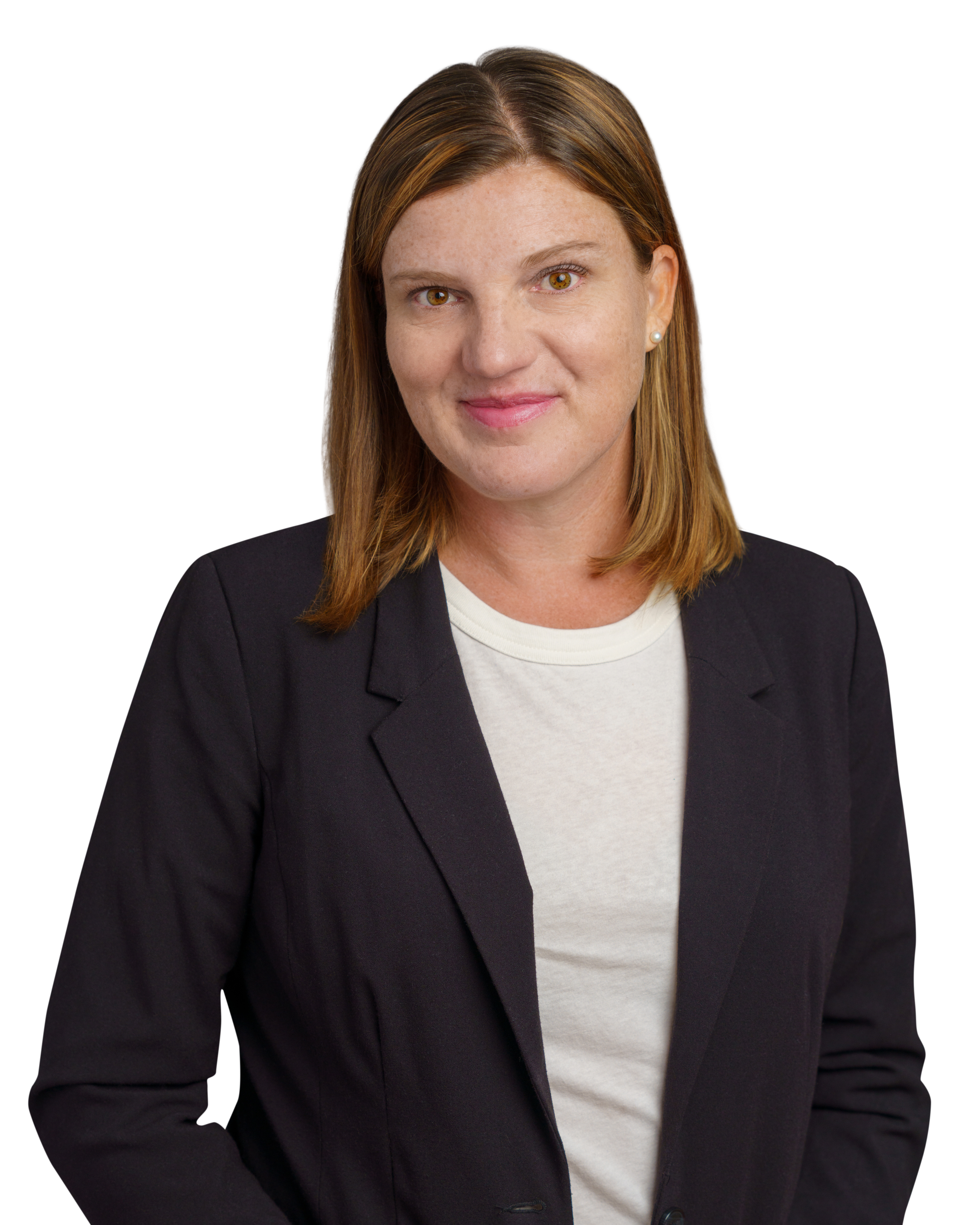

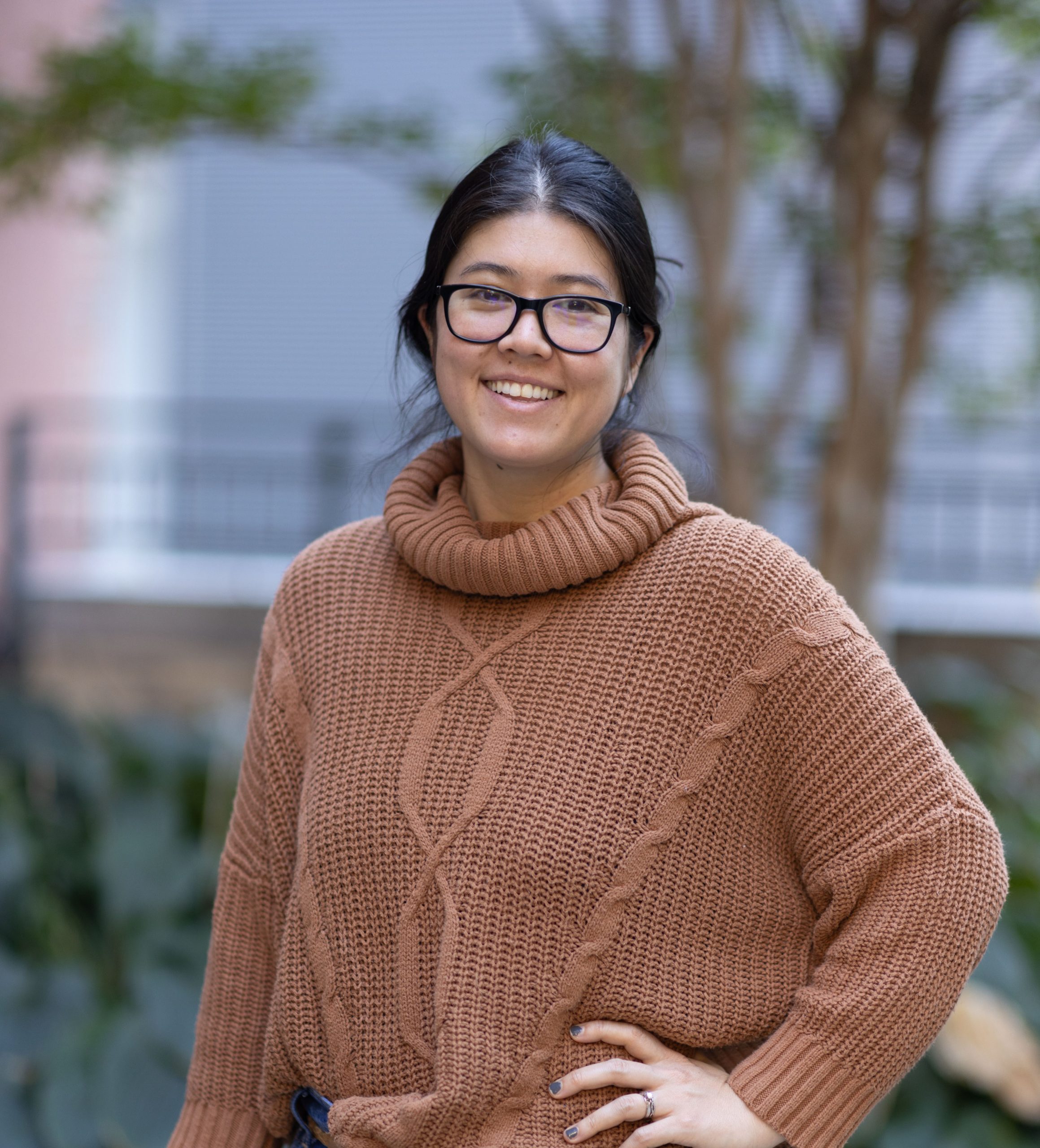
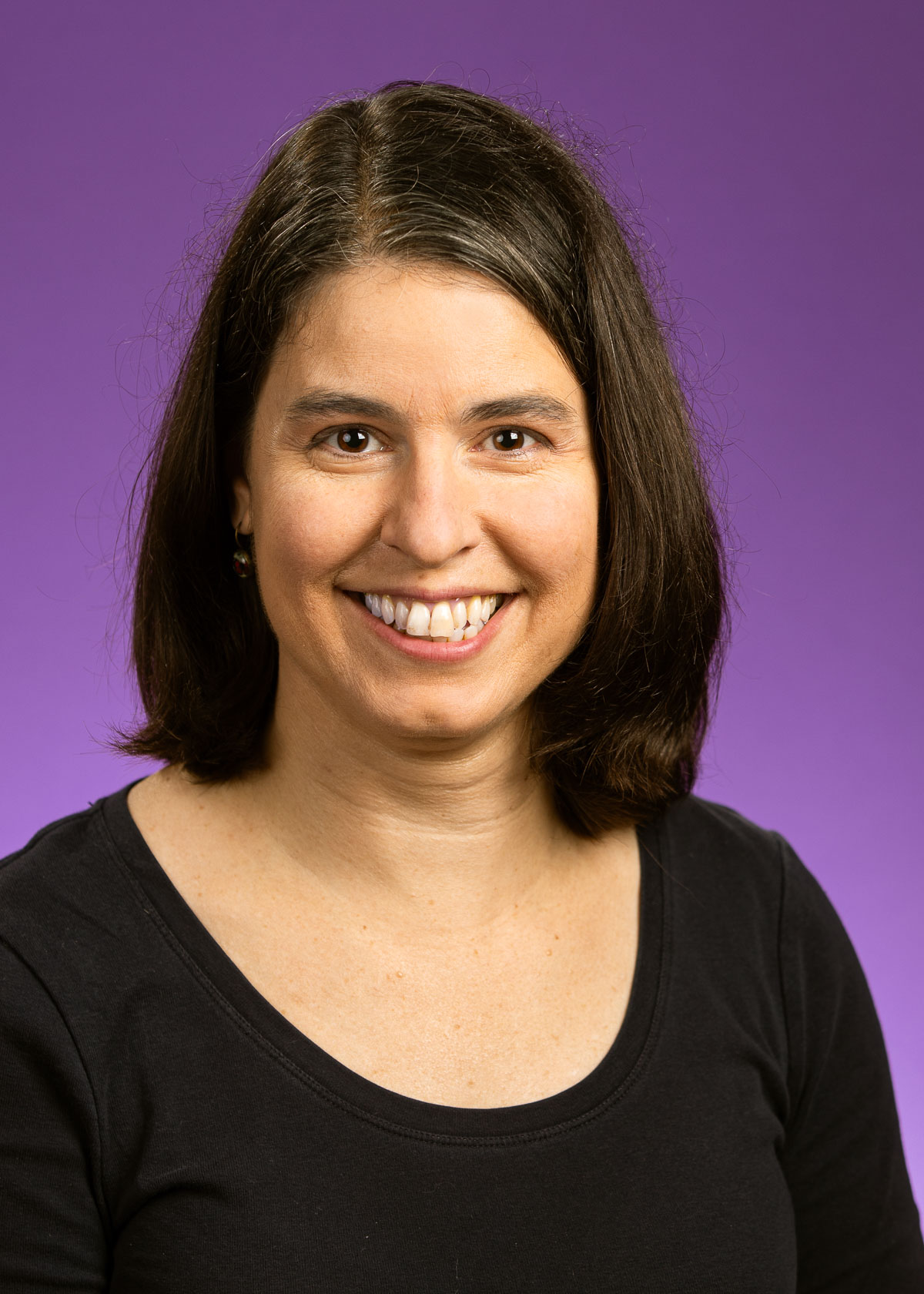

Not pictured:
Charmel Menzel (ESRI) Data and Metadata, 2020-2025; Veronica Bitting (Community Leader, North Carolina); Omega and Brenda Wilson (WERA); Mary Ford (Jane Goodall Institute) Education-focused Community of Practice 2020-2025; Lisa Rasmussen (UNC Charlotte) Data Ethics Community of Practice, 2024-2026;
Group Co-Chairs:
Citizen Science Month: Vivienne Byrd (Los Angeles Public Library); Darlene Cavalier (SciStarter); Lila Higgins (Natural History Museum LA County); Catherine Hoffman (SciStarter); Richard Smart (Natural History Museum of LA County)
Communications: Rebecca Jordan (California Academy of Science); Sarah Newman (CitSci.org; Colorado State University)
Conference: Alison Cawood (Smithsonian Environmental Research Center); Angel Hjarding (Butterfly Highway)
Data and Metadata: Anne Bowser (Wilson Center); Charmel Menzel* (ESRI); Greg Newman (CitSci.org, Colorado State University); Justin Shell (University of Michigan Libraries); Nancy Sheehan* (self)
Education: Jen Fee (Cornell Lab of Ornithology); Mary Ford (Jane Goodall Institute); Sarah Kirn (Gulf of Maine Research Institute); Andrea Lorek Strauss (UMN Extension); Heather Vance-Chalcraft (East Carolina University); Alison Young (California Academy of Science); Bill Zoellick (Schoodic Institute at Acadia National Park)
Environmental Justice: Veronica Bitting (Community Leader, North Carolina); Tony Garcia (self); Ms. Margaret Gordon (WOEIP); Vincent Martin (Community Leader, Michigan); Omega and Brenda Wilson (WERA)
Ethics: Caren Cooper (North Carolina State University); Amy Freitag (NOAA); Chris Santos Lang (Citizen Science Belleville (WI)); Stacy Lynn (CitSci.org; Colorado State University); Claire O’Neill* (Earthwise Aware); Raj Panda (AGU); Lisa Rasmussen (UNC Charlotte)
Justice, Equity, Diversity, and Inclusion (formerly Integrity, Diversity, and Equity): Shannon Dosemagen (Public Lab); Stella Kafka (ASVO); Madhu Katti (North Carolina State University); Skye Kelty* (San Jose State University); Courtney McGeachy (Pew Institute);Miguel Ordenana (Natural History Museum LA County); Tim Vargo (Urban Ecology Center)
Law and Policy: Shaun Goho (Harvard Law School); Lea Shanley (International Computer Science Institute); George Wyeth (Environmental Law Institute);
Professional Development: Heidi Ballard (UC Davis); Rick Bonney (Cornell Lab of Ornithology); Mark Chandler (Earthwatch); Malin Clyde (University of New Hampshire); Hannah Webber (Schoodic Institute)
Research and Evaluation: Nahima Ahmed (Science Friday); Alison Cawood (Smithsonian Environmental Research Center); Cat Davis (University of MD Center for Environmental Science); Veronica Del Bianco* (University of MD Center for Environmental Science); Heather Fischer (Oregon State University STEM Research Center); Tina Phillips (Cornell Lab of Ornithology); Haley Smith* (North Carolina State University)