
Equitable Research Partnerships are Possible.
At the intersection of participatory sciences and environmental justice is research that serves community priorities. Frontline and fenceline communities are leading the way in strategies for research relationships that address harm and create solutions. Here, expert community leaders share what it takes for citizen and community science to reflect local knowledge and needs, and to address pressing challenges we face as a society.
Equitable research partnerships are important.
For decades, frontline and fenceline communities have been battling against a legacy of injustices. There is so much more than science at stake in these spaces. To prevent further harm, and to create solutions, you need an equitable partnership.
This program provides guidance and support for equitable research partnerships. We recognize that communities, researchers, and agencies start out with different priorities and different resources. Through transparency, and by building trust and shared values, those differences can become strengths. This takes time and commitments to sustained work. It also takes investments of resources that reflect the value that everyone brings. Equitable research partnerships are built by coming to agreements about how knowledge, expertise, and resources will be shared, and to what ends.
This isn’t easy work. Researchers, in particular, can’t just come to communities–it’s important to learn how to work with a community, how to appreciate different sources of knowledge, and the value of what a community is investing in a research partnership. But this work is possible, and there are stories, tools, networks, and trainings available to support it.
A word about "tools."
While this website–and project–is called “Tools for Equitable Research Partnerships,” this word can be a misleading metaphor. The growing list of resources below does include things like templates, handbooks, and guidelines. However, it’s important to remember that this work takes much more than instruments, and is not about fixing. Please consider these to be used to support a process of learning and sharing, towards Relationships for Equitable Research Partnerships.
Interested in having someone from our team guide your process? Get in touch for options (email info @ citizenscience.org).
Find resources for:
Researchers
Communities
Agencies
The team:
The Environmental Justice Practitioners Working Group grew out of an NSF-funded workshop that brought more than 60 EJ leaders to the 2019 CitSci Conference in Raleigh, NC (you can watch their plenary panel here). Since that time, a committed group of co-chairs and advisors (listed below)––all expert leaders in Environmental Justice and community-based monitoring––have met twice a month with Association staff and Board members. This was prompted by the team issuing a draft MOU, which led to a letter of commitment from the Association, structural changes to AAPS membership and registration fees, co-creating plans for a HBCU Fellowship Program, and other efforts. With seed funding from the Rita Allen Foundation, this site represents the team’s curation of professional development resources and services in support of Equitable Research Partnerships.
How to get in touch:
To reach the full group about resources and services posted here, email info@citizenscience.org. You can also reach out to any of the leaders listed here through the links provided to their own organizations.
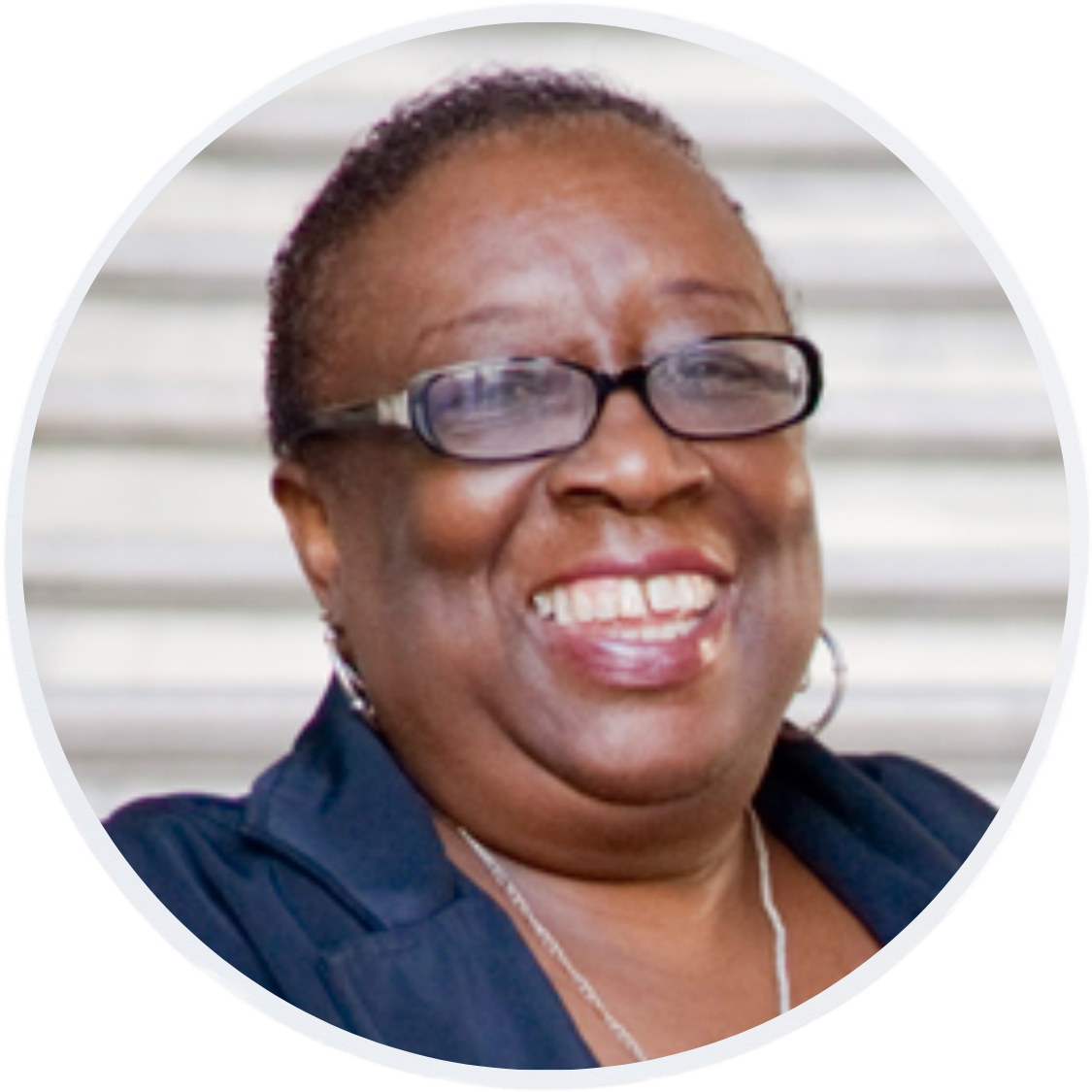
Ms. Margaret Gordon
West Oakland Environmental Indicators Project
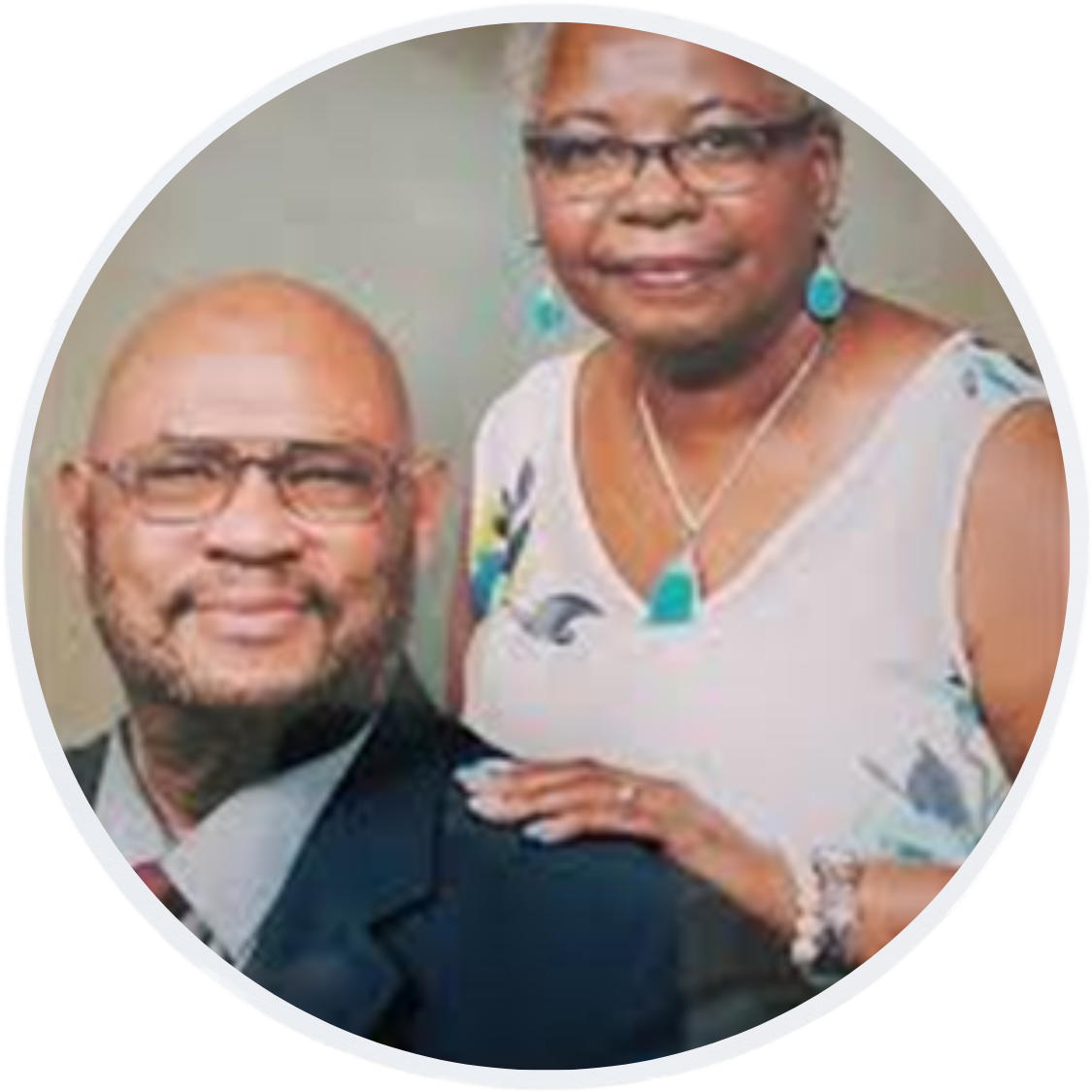
Omega and Brenda Wilson
West End Revitalization Association
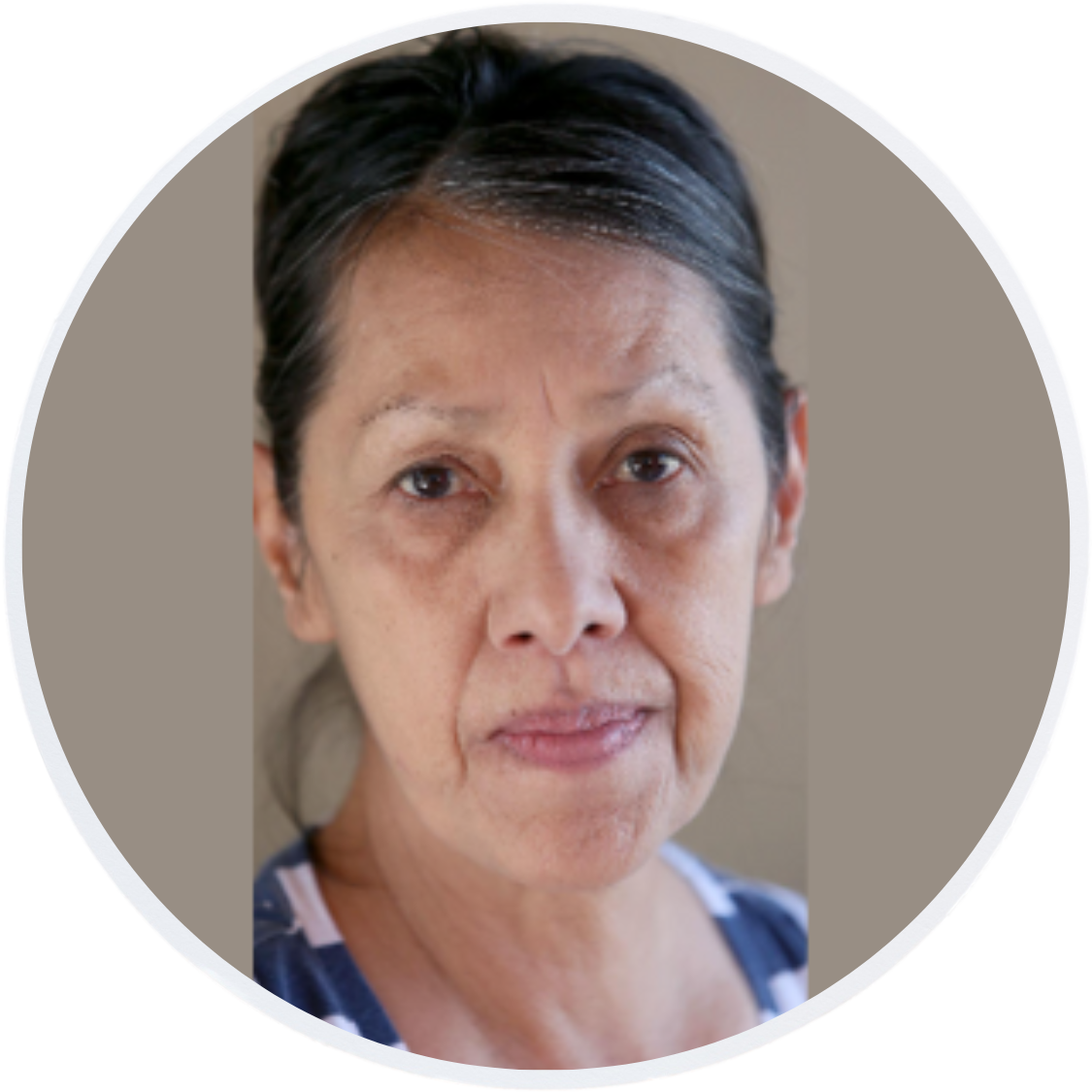
Linda Robles
Mothers for Safe Air & Safe Water
Vincent Martin
Original United Citizens of Southwest Detroit
Veronica Bitting
Frontline grassroots nonprofits serving North Carolina counties

Janice Hunter
West Oakland Environmental Indicators Project
Ayo Wilson
West End Revitalization Association
Additional individuals have been actively involved with this group over time, including: CURRENT– Antonio Garcia (co-chair), Dr. Valerie Johnson (NCEJN, AAPS Board member), Dr. Jennifer Shirk (AAPS Director). PAST–Dr. Sacoby Wilson (UMD, past AAPS Board member), Calvin Cupini (previously at Clean Air Carolina, past AAPS Board member), Dr. Angel Hjarding (previously at UNC Charlotte, past AAPS Board member), Dr. Caren Cooper (NC State, past AAPS Board member).
Success stories–strategies in action:

Any tool is only as good as the experience, skill, and intention of the users. To support wise use, this site provides tools paired with background on their development, examples of their use, and/or services to build skills or facilitate implementation.
Partner Agreement
Equitable Rate Agreement
MOU/MOA
Select publications on equitable research in participatory sciences:
Note: we value linking to publications that are open access and free to read. We also value publications that include, and acknowledge the expertise of, community leaders as intellectual partners. For this reason, we may list a few publications in paywalled journals or books.
Finding Pathways to More Equitable and Meaningful Public-Scientist Partnerships
Soleri, Daniela, Jonathan W. Long, Mónica D. Ramirez-Andreotta, Rose Eitemiller, Rajul Pandya.
Citizen Science: Theory and Practice 1, no. 1 (2016): 9.
The West End Revitalization Association’s community-owned and -managed research model: Development, implementation, and action
Heaney, Christopher D., Sacoby M. Wilson, and Omega R. Wilson.
Progress in Community Health Partnerships: Research, Education, and Action 1, no. 4 (2007): 339-349.
Understanding the Impact of Equitable Collaborations between Science Institutions and Community-Based Organizations: Improving Science through Community-Led Research
The ICBOs and Allies Workgroup
Bioscience 72, no. 6 (2022): 585-600.
Equitable Data Governance Models for the Participatory Sciences
Cooper, Caren, Vincent Martin, Omega Wilson, and Lisa Rasmussen
Community Science 2, no. 2 (2023): e2022CSJ000025.
Stay tuned for more resources...
Want to receive updates or get connected around these ideas?