Incorporate Citizen Science in Your Higher Ed Course

Incorporate Citizen Science in Your Higher Ed Course

Thinking about adding a citizen science component to your higher ed course? The following videos may help get you started. These events were designed to help you as you think about creating online or face-to-face learning experiences for undergraduates and offer tangible tips for incorporating citizen science into any curriculum. University faculty from a variety of disciplines share their wisdom and encouragement with anyone thinking of adding or expanding their use of citizen science in the classroom. See below for event descriptions and links to recordings and slides. Roundtable: Using Citizen Science in Higher Education View Recording View Slides Citizen…
Read More
Career Path: Pam DiBona

Career Path: Pam DiBona

Want to make a career of citizen science, but not sure how? Let’s learn from the experience of those who have successfully built a career in this dynamic field. Photo provided. Pam DiBona is the director of the Massachusetts Bays National Estuary Partnership (MassBays), an EPA-funded National Estuary Program where she works to bring together together organizations and agencies who generate monitoring data. They use these data to describe environmental conditions and trends in the three Bays that make up our planning area, and support research and partnerships to take action that will improve those conditions. Until 2014, MassBays had…
Read More

How to Engage Volunteers Online

Many citizen science projects are pivoting in-person volunteer trainings and meetings to the online sphere in response to Covid-19 related cancelations. We are curious how you are doing this? What's been working, what do you need help with? Citizen science projects often rely on data collected during these fleeting spring months and we know you are working hard to come up with solutions to keep your projects going. Below is a selection of resources on creating video tutorials and online meetings, examples how-to videos for citizen science, and links to CSA volunteer engagement webinars to help you prepare online volunteer…
Read More
Member Interview: Clare Hawkins and Anne Eichholtzer

Member Interview: Clare Hawkins and Anne Eichholtzer

Clare Hawkins (Hobart, Tasmania, Australia) is the Citizen Science Coordinator at Bookend Trust and author of the Nature Trackers blog.  She has five years of dedicated experience managing citizen science projects including Where Where Wedgie and Claws on the Line. Clare was interviewed by Anne Eichholtzer, a PhD student at Deakin University based in Melbourne (Victoria, Australia). Anne is interested in the social outcomes of citizen science participation and the automatization of wildlife monitoring and is working on a TechnEcology project testing a new video camera trap technology with citizen scientists.  Anne interviewed Clare as part of a new member interview…
Read More
Career Path: Kris Stepenuck

Career Path: Kris Stepenuck

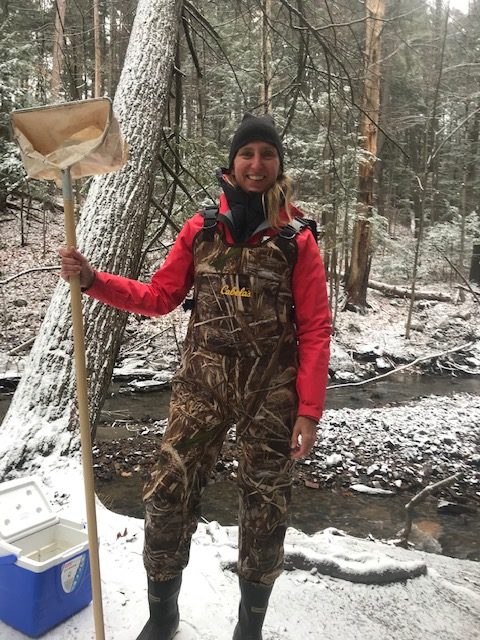
Want to make a career of citizen science, but not sure how? Let’s learn from the experience of those who have successfully built a career in this dynamic field. Photo of Kris Stepenuck by Kat Hartwig Kris Stepenuck is the Extension Program Leader for Lake Champlain Sea Grant and Extension Assistant Professor of Watershed Science, Policy and Education at the University of Vermont. She has spent 20 years pursuing a passion for citizen science, which has included developing, implementing, nurturing and researching volunteer water monitoring programs, and trying to effectively absorb the wealth of knowledge that fellow practitioners and citizen…
Read More
Opportunities in Sustainable Development and Open Source Technology

Opportunities in Sustainable Development and Open Source Technology

Guest post by Joshua Pearce, Michigan Tech Open Sustainability Technology Research Group - - - The state of the globe is not all bad news. For example, there has been progress towards our Millennium Development Goals. However, disturbingly high levels of poverty and environmental desecration persist. The vast majority of formal research ignores these problems, which are related to sustainable development for the worlds’ poor. Surprisingly, even when research finds solutions to these problems, deployment is hamstrung by patent and copyright laws. Until recently, this forced people all over the world to reinvent technologies in their own communities. Fortunately, the…
Read More
How to Handle Citizen Theoreticians

How to Handle Citizen Theoreticians

Opinion by Chris Santos-Lang Some citizen scientists help collect data; some design experiments; some participate in ethics review of research plans; and some propose new theories for scientific testing. I am hereby endorsing Kevin Maney's term "citizen theoreticians" for this fourth kind of citizen scientist, and will discuss four examples here. This fourth kind of citizen scientist raises the ethical issue of inconvenient truth. As Marc Edwards told us in the opening keynote of CSA 2017, the truth about the Flint water supply was "inconvenient" in the sense that professional scientists faced political pressure to avoid investigating it. One reason why…
Read More
Getting a scientist to accept your data

Getting a scientist to accept your data

Guest post by Hannah Webber, Research and Education Projects Manager, Schoodic Institute at Acadia National Park - - - My daughter’s school recently had a cookie exchange holiday party. As I looked over our collection of cookies when she came home and there are several things about these cookies that I didn’t know—what’s in them, where did they come from, who made them? With some it’s obvious—the cookies with OREO stamped on them I bet came from OREO, but they are unwrapped and how did they get from a cellophane wrapper to my kitchen table—were they passed around from child…
Read More
Environmental Protection  Belongs to the Public: A report for EPA on the role of citizen science

Environmental Protection Belongs to the Public: A report for EPA on the role of citizen science

By Shannon Dosemagen, Public Lab and Alison Parker, ORISE Fellow hosted by EPA - - - In 2015 the US Environmental Protection Agency (EPA) charged the National Advisory Council on Environmental Policy and Technology (NACEPT), an EPA advisory council, with developing a set of recommendations about the transformational opportunities of citizen science, including strong links and partnerships with citizen and community citizen science organizations. The Council’s 28 members, representing academia, business and industry, nongovernmental organizations, and all levels of government, have been working for the last year to provide EPA with advice and recommendations on how to integrate citizen science…
Read More